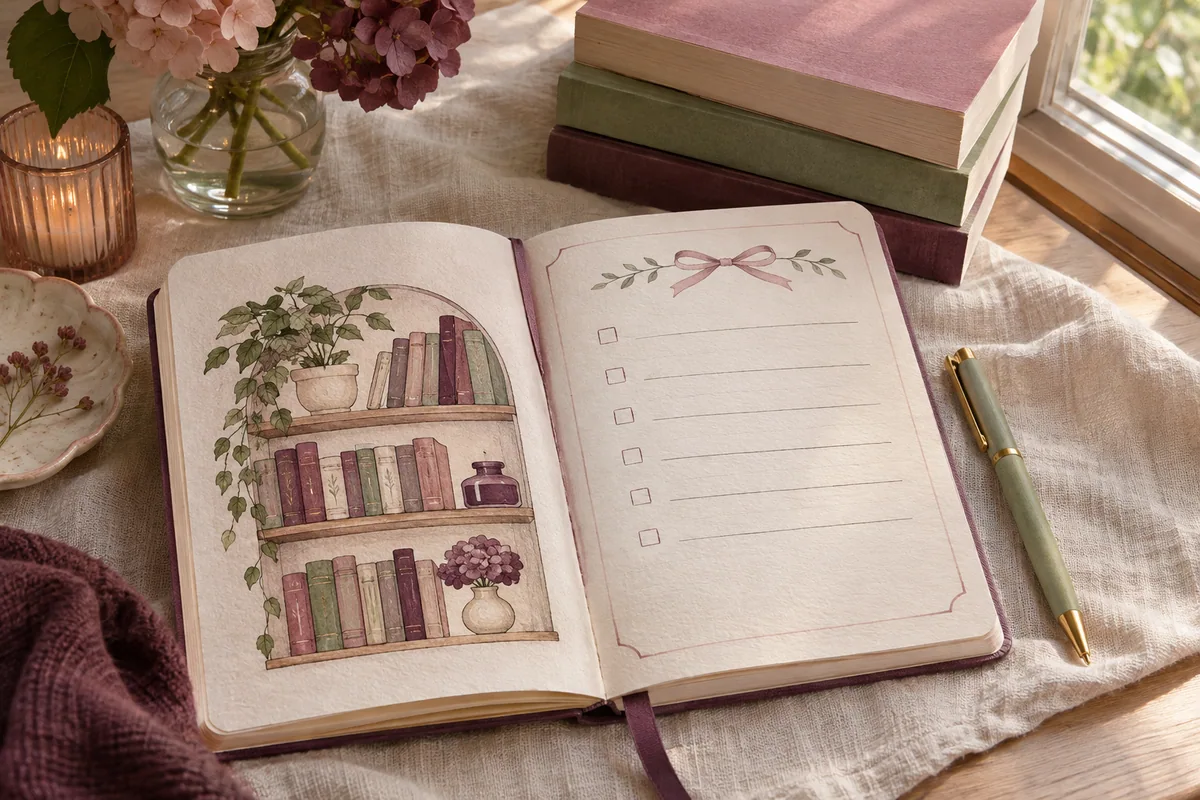
Reading Journal Ideas for Beginners: 15 Easy Spreads and Trackers
The easiest reading journal ideas for beginners need a notebook, a pen, and a reason to open the notebook again. Start with a finished-book log, a short list of books you’re excited to read, and a page for favorite lines or reactions. Those three spreads tell you what you read, give you something to pick up next, and keep details you’d otherwise forget.
A reading journal is a place to record what you read and what you want to remember about it. A spread can be a single page or two facing pages. You can keep one in the same notebook as your daily plans or start a separate book journal. Both work as long as you can find your entries.
Start a reading journal with supplies you already have
Use any notebook that opens comfortably, a pen you trust, and a straightedge. A ruled notebook makes tidy lists with no setup. Dot grid paper is helpful if you want tables or boxes. Try every marker on the last page first, especially if you plan to write on both sides. If a marker bleeds, switch to colored pencils or put the color on a paper label before attaching it.
On the first page, write the month and one sentence about why you’re keeping the journal. “I want to remember which audiobooks I’d recommend” gives you a clearer starting point than “Track everything.” Reserve two pages for a log and one for the next few books you want to read. Begin with your current book or the last one you can remember. There’s no benefit to putting off your first entry until you’ve reconstructed the whole year.
Choose what to write based on what you’ll use later. Title, author, and date finished are enough to identify a book. Add a format marker if you want to distinguish audio from print. Add one reaction if you want to recommend books to friends: “Wonderful winter atmosphere, slow first half” says more than a number by itself.
Choose a spread for the question you want to answer
If you mainly want a record of finished books, the log and monthly recap are enough. If you forget what happened between reading sessions, put your time into session notes and a character map. If you struggle to choose the next book, keep the to-be-read list near the front and reserve review pages for titles you actually want to recommend.
Before drawing two facing pages, make a thumb-size sketch on scrap paper. Put the heading, biggest writing area, and any columns in place. Leave extra space at the inner fold, especially in a thick notebook. If there’s only room for one book title across a cell, you’ll know to make the grid wider before committing it to ink.
15 reading journal spreads you can make at home
1. Finished-book log
Use this spread as the reliable list you’ll come back to when someone asks what you read this spring. With a ruler, separate a page into Date, Title and Author, and One-Line Note. Give titles at least half the space. If narrow rows cut off information, write author names below titles instead of squeezing them into a separate column.
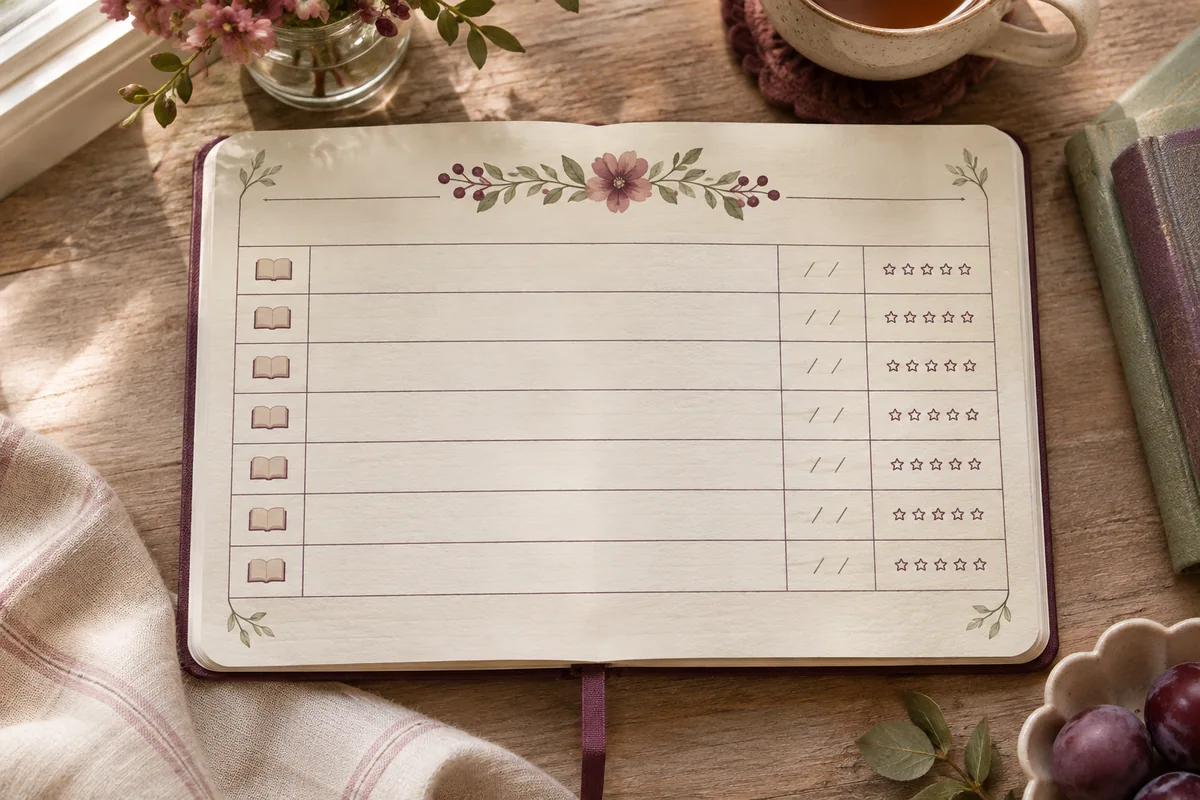
Try “May 8 | The Mystery of the Blue Train, Agatha Christie | Good train atmosphere, lots of suspects.” If you want ratings, put a small score beside the note. An empty rating box is fine when you remember the book better through a sentence. Leave a few blank lines at the bottom to continue onto the next page.
2. Drawn bookshelf tracker
A bookshelf tracker turns finished books into a picture you can watch fill up. Pencil in three horizontal shelves and draw rectangular spines above each, varying their width and height. Twelve to eighteen spines give you enough room to write in a small notebook. Number each spine and copy the number into your reading log if titles won’t fit.
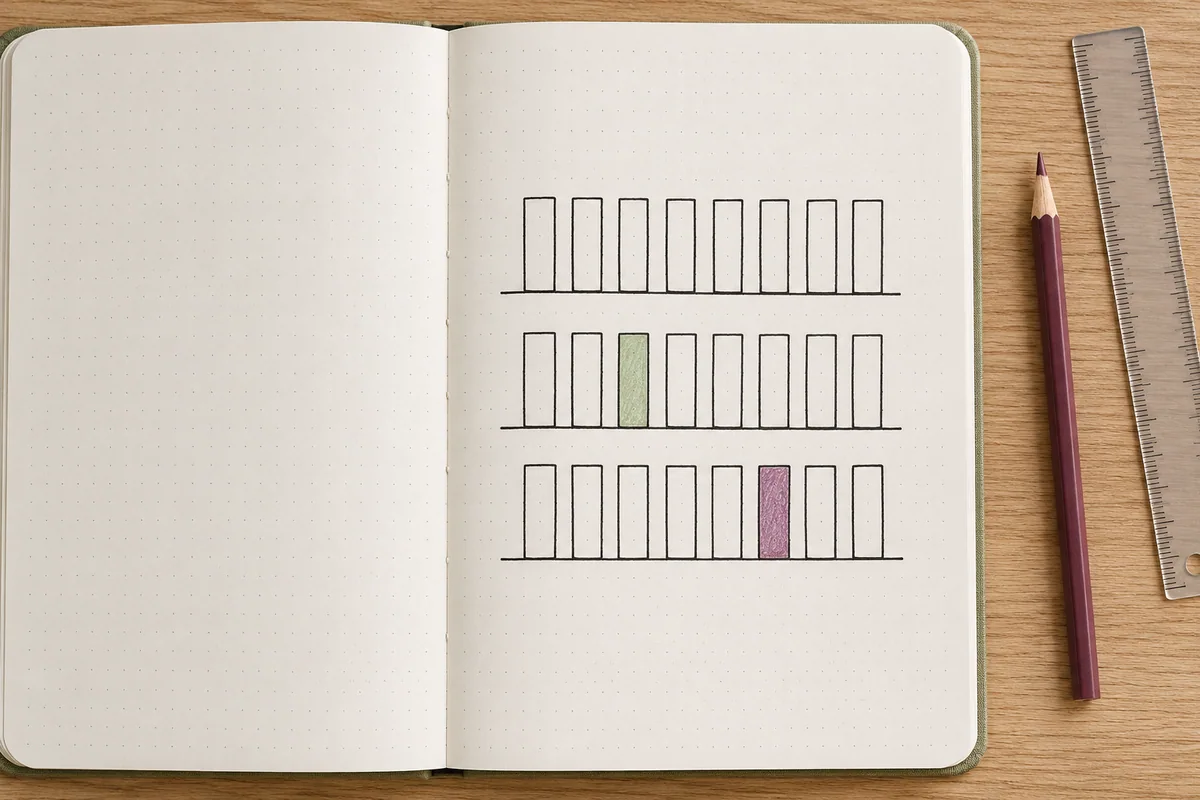
Color a spine when you finish a book. Choose one color per genre or use your favorite pencil for every title. A rectangle makes a perfectly recognizable book. Leave one short shelf undrawn until you need more space so the spread can grow with your reading.
3. Manageable to-be-read list
A TBR list records books you’re interested in, and a short one is easier to act on. Divide a page into “Next,” “Later,” and “On Hold.” Keep three or four books under Next. Note where each title is available, such as your shelf or the library app. Put due dates only beside books you’ve borrowed.
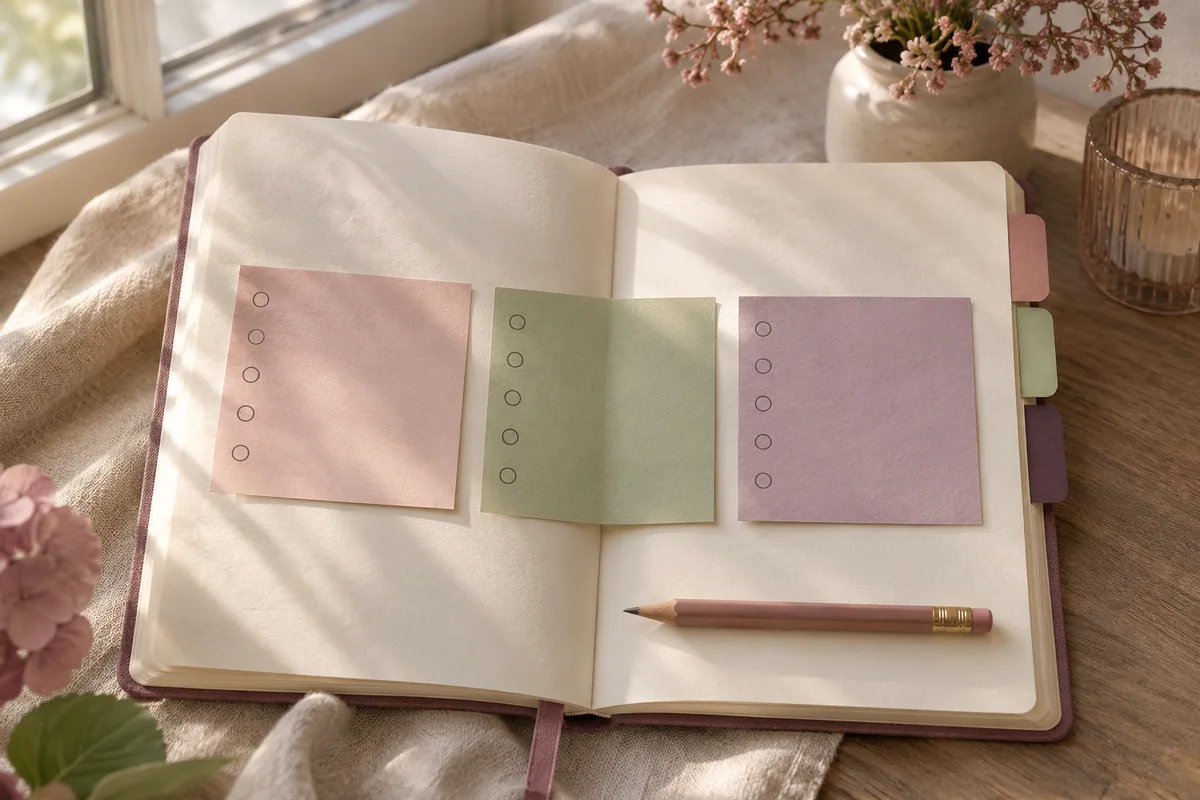
Use small sticky notes if your mood changes often. When you move a title out of Next, slide it to Later or cross it out. Keeping a separate list of recommendations elsewhere lets this page stay useful even when you discover more books than you can reasonably read.
4. Reading goals with room to adjust
Give each goal a box with three lines: the goal, why it matters, and the next action. “Read outside my usual genres” becomes “Borrow one graphic novel this month.” To make a visual tracker, draw six short segments and shade a segment each time you complete one step.
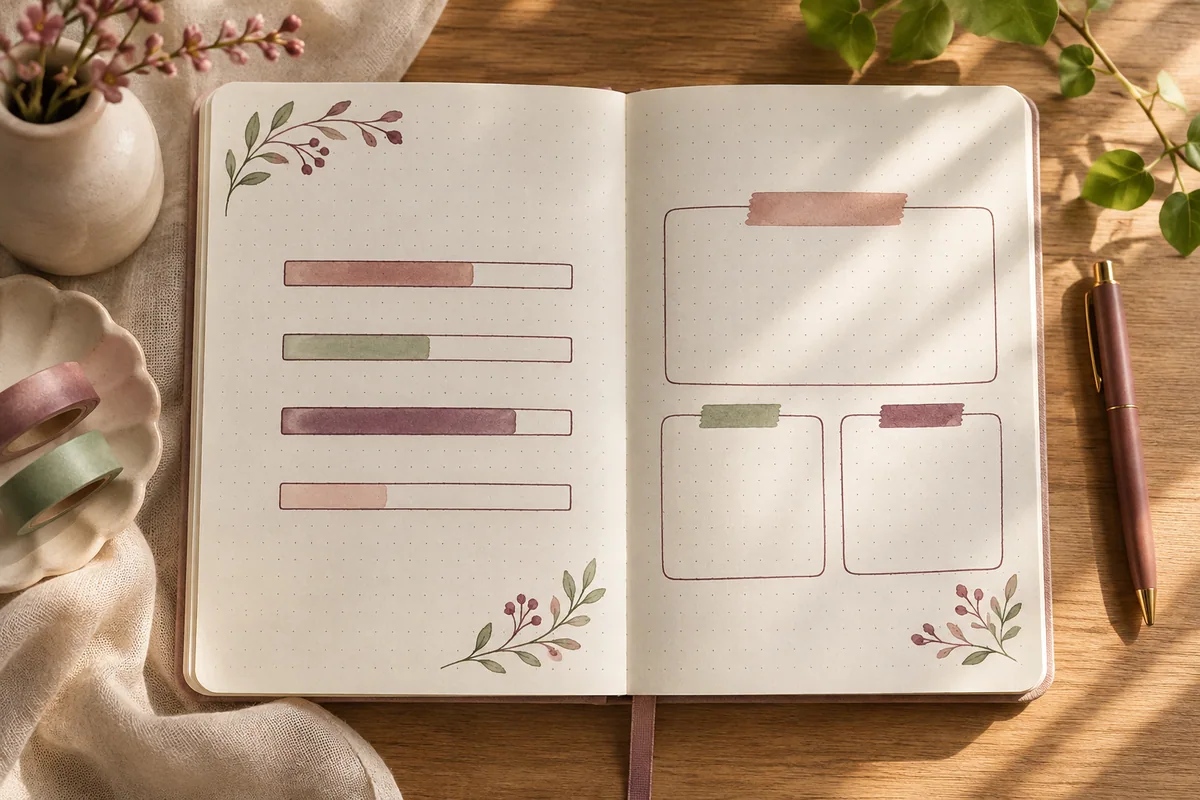
A good goal can be a habit, a count, or a specific experience. Revisit it at the end of the month. If twenty pages every night feels impractical, try two short sessions a week or one chapter on Sunday. Write the revised goal in the same box so you can see what changed and why.
5. One-page book review
Give each book a short, repeatable review instead of trying to summarize the plot. Write the title and author at the top, then divide the page into four areas: premise, what worked, what held you back, and who might enjoy it. A small rating scale is optional. Mark plot revelations with “spoiler” so they’re easy to skip when you flip back.
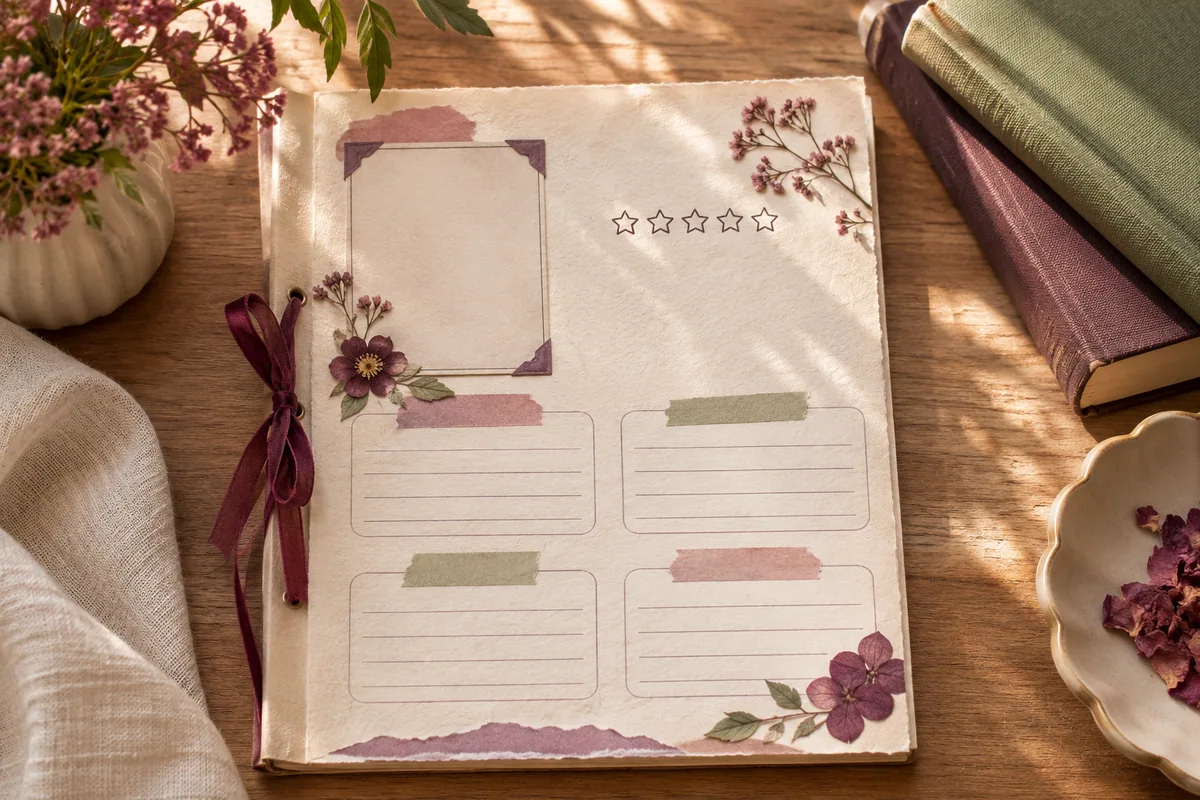
For the recommendation, try “For someone who likes a slow mystery in a small town.” When a full page feels like too much, divide one page in half and review two books. Keep the same four questions, with one sentence per answer.
6. Favorite quotes and passages
Rule a narrow column for title and page, leaving the rest for the passage. For an audiobook, record the chapter or timestamp rather than a page number. Write one line about why the quote stood out. That note may matter more later than a long transcription.
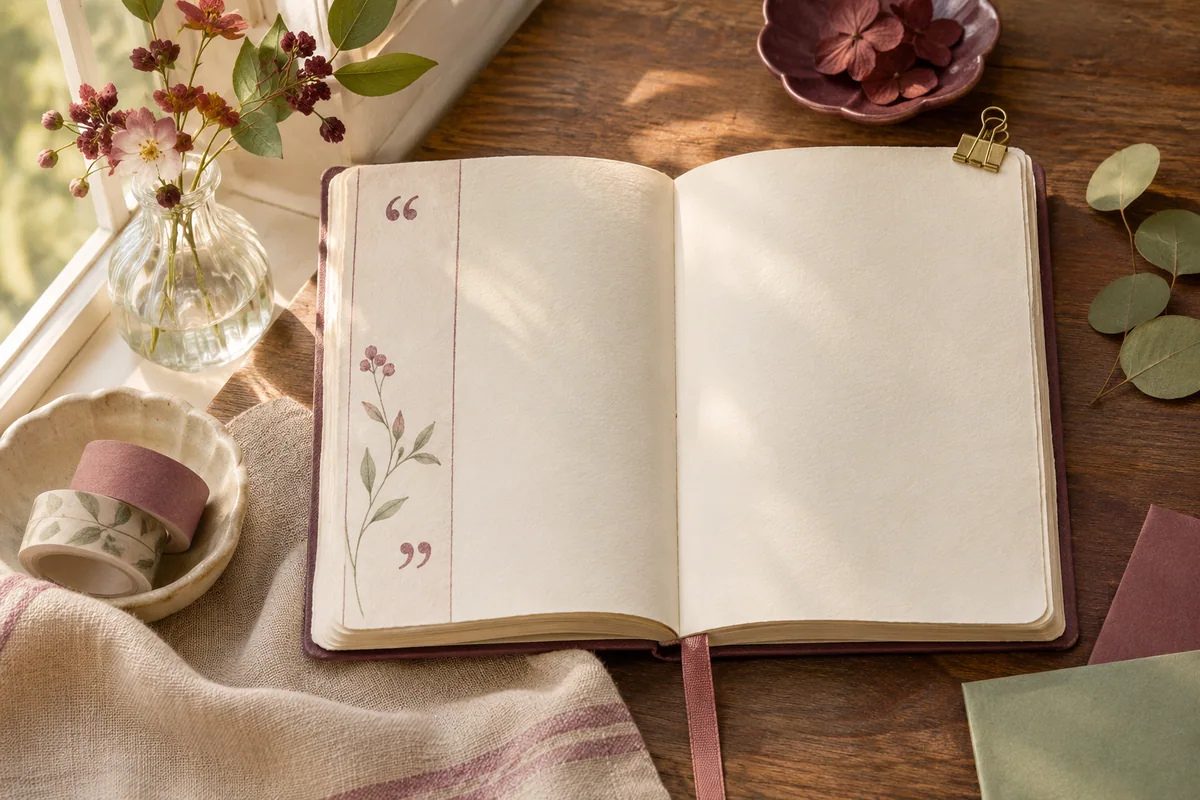
Give a short passage space to breathe, and use a different ink for your own thought. If you’re writing from a library book and can’t copy a passage immediately, flag it with a removable tab. A date or topic beside each entry makes it easier to find a passage for a conversation or reread.
7. Monthly reading recap
Draw three boxes along the top for books finished, the most memorable read, and a highlight. Use the lower half for what changed in your reading life. Perhaps you liked short essay collections on work nights or discovered that listening counts toward the quiet reading time you wanted.
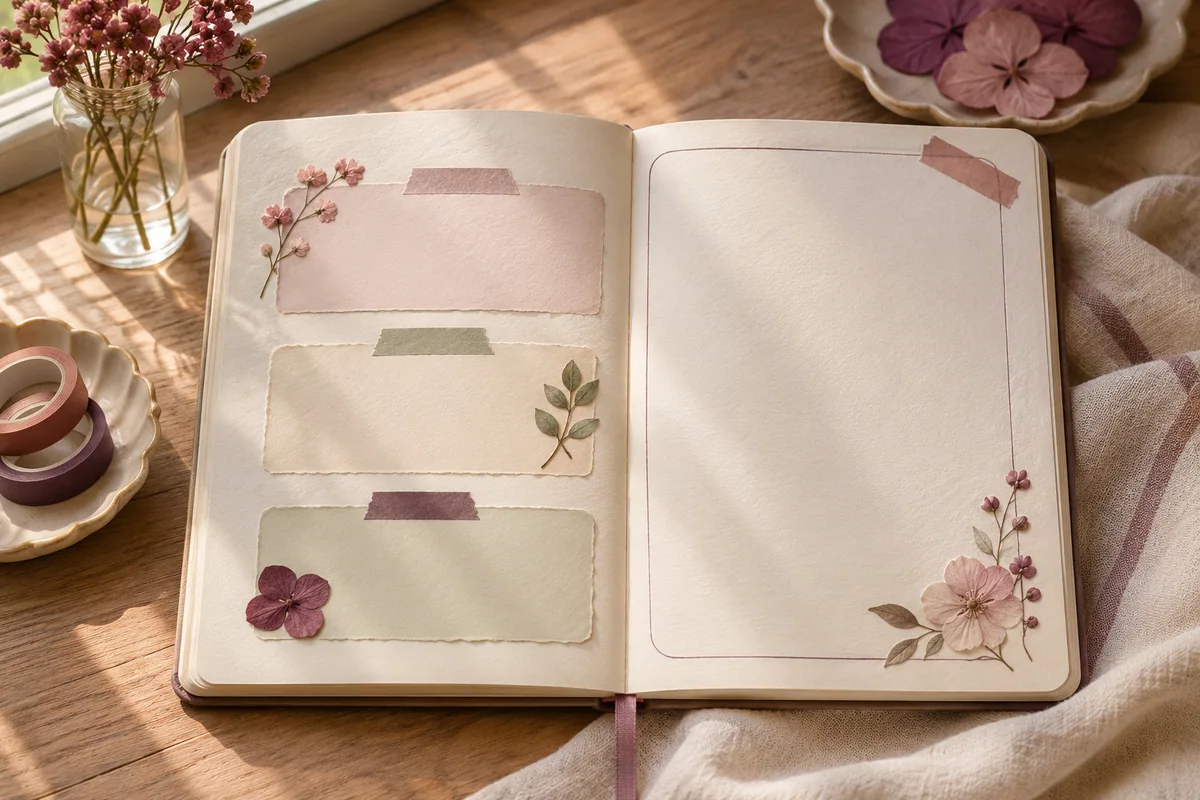
Add a small “next month” box with one practical choice based on that observation. You can use fewer counts if numbers make reading feel like an assignment. In a month when you finish zero books, a paragraph about a book you started still gives you a useful record.
8. Reading challenge bingo
Draw a four-by-four grid using pencil and a ruler. Fill a few squares with broad prompts: a book set near water, a graphic novel, a favorite author you haven’t read in years, or a book with a one-word title. Choose a mix of things you already enjoy and a few that send you browsing.
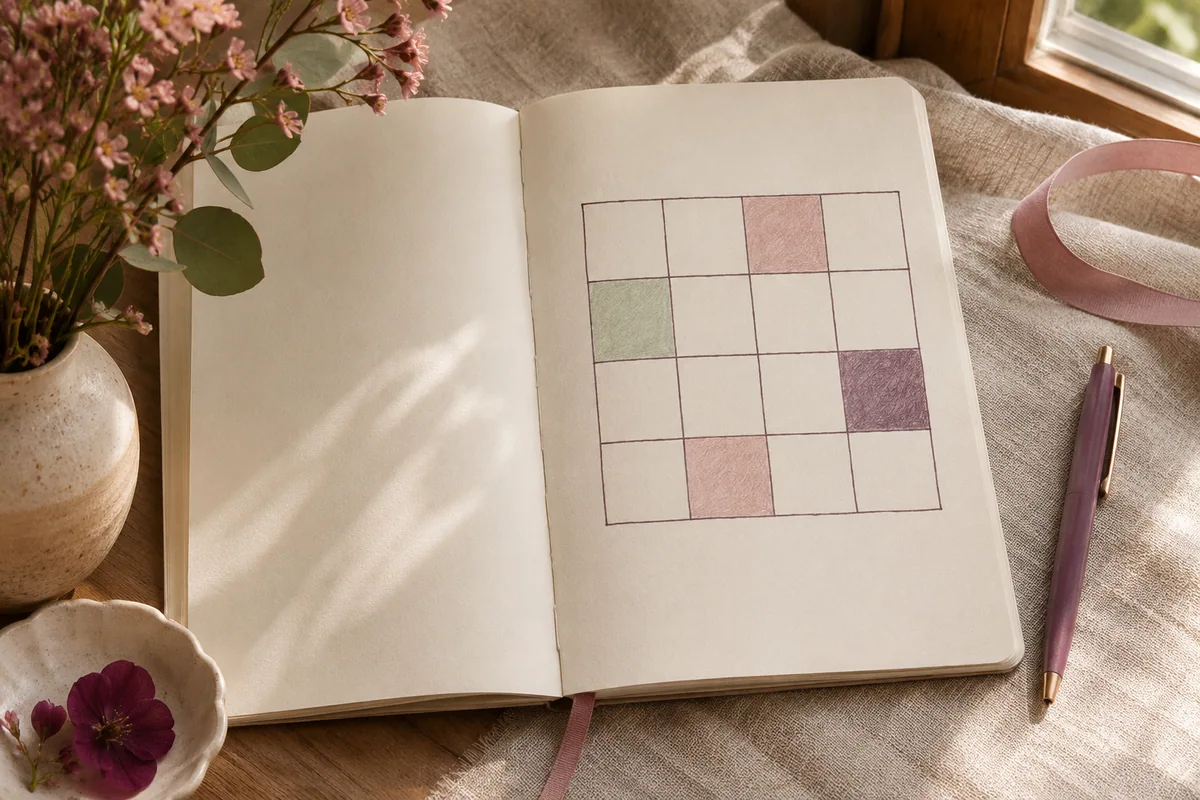
When you finish a matching book, shade the square or jot the title on a separate numbered list. Decide in advance whether one book can fill multiple squares. If you’re using the challenge to try new things, treating each completed book as one square creates a clearer, more interesting trail.
9. Genre or format tracker
Put five or six categories down the left side, leaving space for a row of dots or tally marks. Try mystery, romance, history, speculative fiction, memoir, and other. Give each line a short written label even if you color-code it. You’ll still be able to read the tracker if the pen colors look similar.
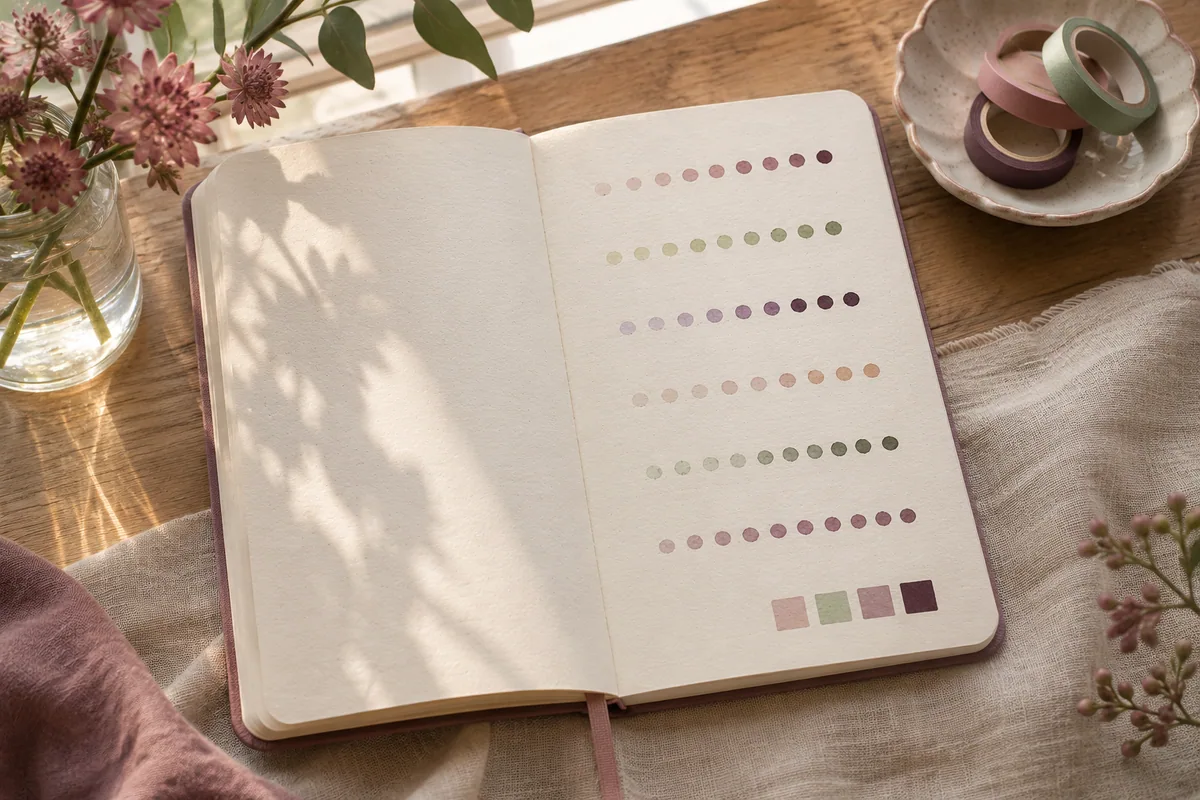
Decide whether you want to track genre or format. These answer different questions, so use two small trackers if you want both. For a book that fits several genres, pick the one that matters most to you or mark it once in each line and note that your totals are intentionally overlapping.
10. Daily reading habit calendar
A calendar can show when you find time to read. Draw one row of boxes per week, shade days you read, and leave other boxes blank. Give the page a small legend, such as a dot for a reading session and an open circle for a planned rest day. Write dates only after checking when the month starts, or make seven-column weeks you label by hand.
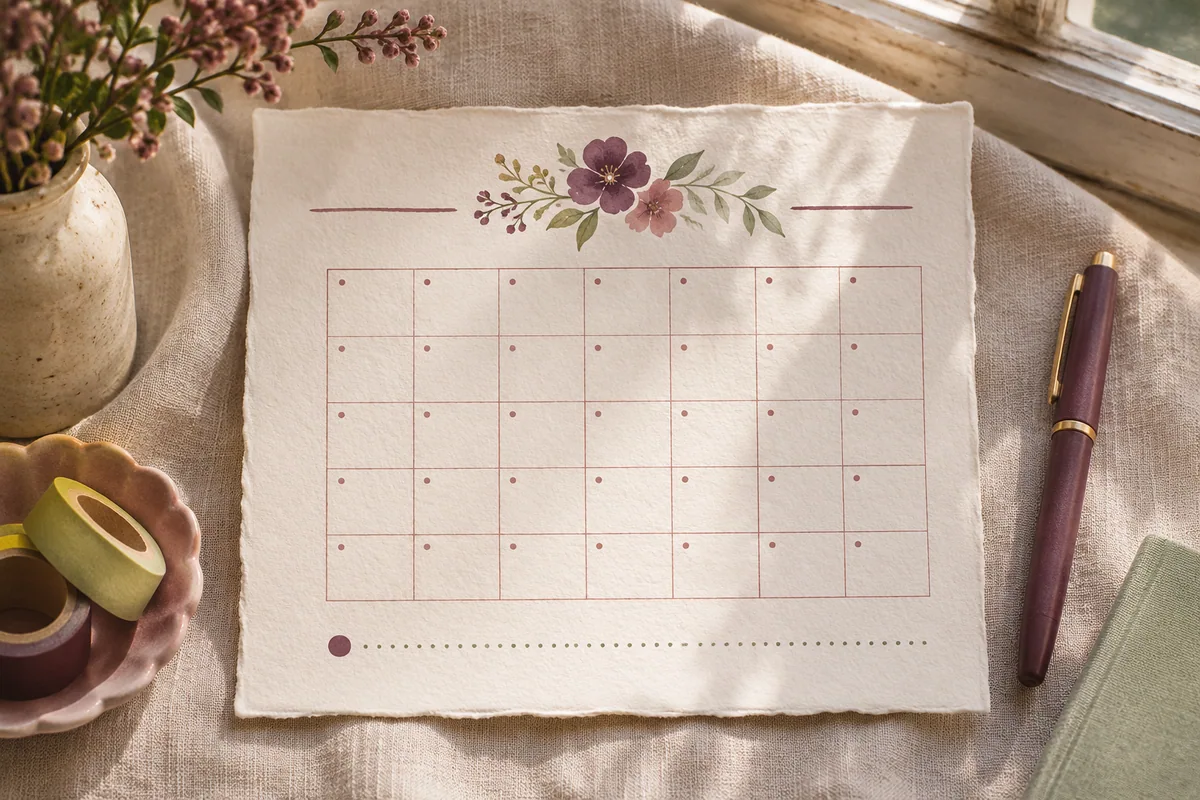
Choose an easy definition of “read,” like ten minutes of listening or five pages. The point is to reveal patterns. If weekdays are inconsistent but Sundays fill up, your calendar can help you plan around your real schedule instead of aiming for a streak that doesn’t fit.
If you want a separate sheet for tracking reading time, try the printable weekly reading habit tracker. It leaves room to record pages or minutes and where to pick up next. Keep the printable beside your journal for one week, then transfer only the information you’ll want to see again.
11. Reading-session notes
Use this spread for books you read in pieces. Write the date, where you stopped, and what you’re wondering. A line like “Chapter 6, train arrives, why did the letter go missing?” gives you a starting point when you return after a busy week. Use a pencil if you expect to revise names or theories.

In nonfiction, record one idea and a question you can follow up on. Keep entries to two or three lines to avoid interrupting the reading itself. Try a tab to mark your current session page or leave the notebook open beside your bookmark.
12. Series checklist
If book order is hard to remember, give each series a short heading and a numbered list. Add a box for each book and an optional line for novellas, companion titles, or prequels. A second column can record where you own or borrowed each title. Verify the author’s reading order if the publication and story timelines differ.
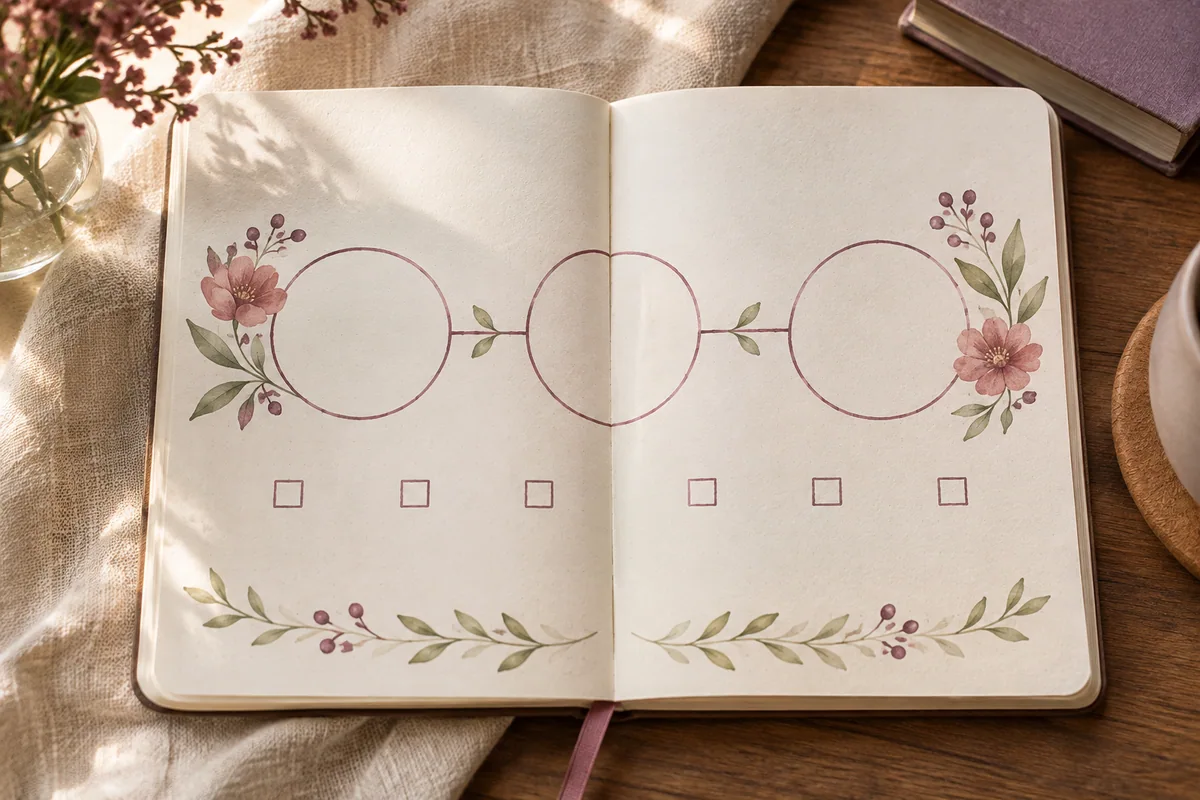
Leave three blank lines for future releases. If you’re reading several series, use sticky tabs to make one easy to find. Mark what you’ve finished with a simple check and use a separate dot for titles you’re actively reading, so the list distinguishes “started” from “done.”
13. Characters and connections map
Write the central character on an index card or in the center of a blank page. Add three to five names around it and connect them with lines labeled with short relationships, such as “sister,” “neighbor,” or “old friend.” Pencil is useful if a relationship becomes clearer as the story unfolds.
Use this spread sparingly. A sprawling mystery may benefit from a simple map, but a short novel may need only a few lines. If you want a spoiler-free record to share, put revealed identities on a separate flap that can stay folded shut.
14. Book club discussion spread
Divide the page into “Before,” “During,” and “After.” Before the meeting, add three questions and one passage you want to discuss. During, write down a reaction that surprised you. After, add something that changed your mind or the title of the next book.
Use a sticky flag to return to a discussion passage and jot a page number beside it. Open-ended starters work better than quiz questions. “When did the narrator first lose your trust?” leaves room for different readers to notice different moments.
15. Set-aside and reread list
Put “Paused” on one side of the page and “Reread” on the other. Under Paused, add the place you stopped and a neutral reason, such as “Want to try the audio edition,” “Too dense for commuting,” or “Library hold expired.” On the reread side, add what you want to notice next time.
You can use a pencil or movable notes if titles often shift between categories. A set-aside entry is information about your preferences. When you look back, let the entries guide your next choice instead of treating them as a backlog to clear.
Make your pages feel polished without drawing skills
Limit your layout to one pen, one accent color, and one repeated shape. Put headings in the same corner and use a ruler for important lines. Tear a short piece of neutral washi tape for a divider, or cut a spare index card into labels. White space around a label often makes the whole page feel more organized than extra decoration does.
Sketch the smallest element first when space is limited. On a tracker, confirm that you can write in the narrowest cell before you ink the whole grid. If you make a mistake, cover the line with paper tape or turn the extra line into a margin. Stop decorating once you can tell where the next entry belongs.
Common beginner mistakes and easy fixes
Tracking too much makes entries feel like forms. Remove any column you’ve left blank three times. Over-planning pages may waste notebook space, so add the next month when you need it. If a spread looks beautiful but you never use it, copy the part you did use onto a simpler page. A title list with one useful note is a complete journal entry.
Frequently asked questions
Can I use any notebook as a reading journal?
Yes. A lined notebook works for logs, reviews, and quotes. Dot grid or graph paper is easier when you want equal boxes. Pick a size that fits your reading spot, then use the first spread before shopping for something new.
Do ebooks and audiobooks go in a reading journal?
Yes. Record the format if that detail is useful. For audiobook quotes, use a chapter or time marker. For ebooks without stable page numbers, use a chapter, location, or short phrase you can search.
What are the most useful trackers to start with?
Start with a finished-book log and a short next-up list. Add a monthly recap if you want to notice patterns. Try a habit calendar only if you’re curious about when reading fits into your week.
How do I keep going if I miss a month?
Turn to the next blank page, write today’s date, and log the book you’re reading now. If you remember a few favorites from the gap, add a short list instead of trying to reconstruct every entry.
Make your first spread today
Draw three columns on an open page and log the last book you finished. Put your next three choices on the facing page. When those pages are useful, pick one more layout from the reading journal collection or use one of the spreads above to remember a favorite book in more detail.