TBR Journal Spread Ideas: 15 Ways to Organize Your Reading List
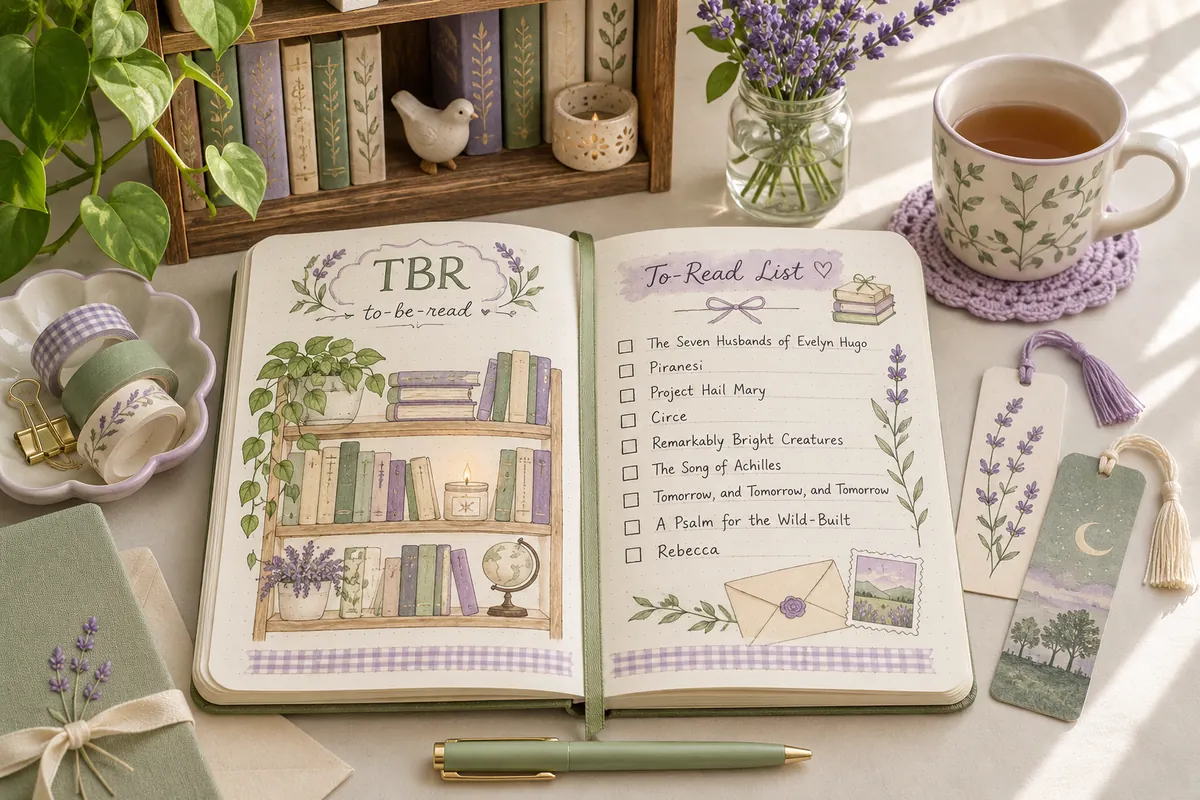
A TBR journal spread is a paper list of books you want to read. It works best when it answers a real question, like what you can start tonight, which library hold to pause, or which volume comes next in a series. Start with a short “next up” list and keep longer recommendations somewhere else. These 15 spreads organize the choices you already have, with room for new discoveries and titles you decide to skip.
Decide what belongs on the active list
Write the title and author first. Add where you expect to get it or why you saved it if that detail helps you choose. Keep the active list small enough to scan at once. Five to eight entries is a useful starting point, especially when you have a longer master list elsewhere. A book can move off the active page when you finish it, return it unread, or simply lose interest. A date or a small status mark helps you understand a line when you come back later.
If you use more than one page, give each a clear job. A library pickup belongs on the holds list while it is waiting. When you bring it home, you can move it to the next-up list if it has a close due date. A book someone recommends can stay in the long list until you are ready to borrow it. Move information between pages only when it helps you act. A page number or brief reference is enough for a review you want to revisit.
15 ways to organize a TBR journal spread
1. A short active to-read shelf
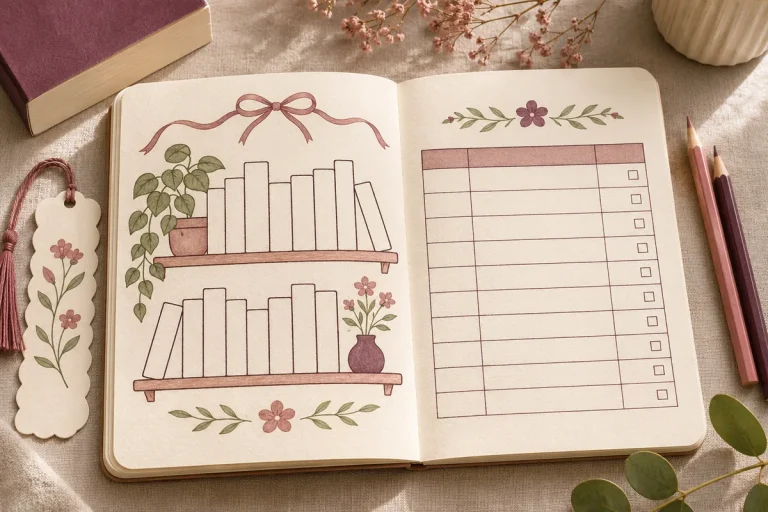
Draw six broad book spines on a simple shelf. Write one title per spine and leave enough room for short author names or a paper tab. Keep it for books you could start this month, with the rest on a longer list or loose sheet. If you swap in a title midmonth, use pencil or attach a narrow removable label. A shelf is easier to keep current if you can change it without redoing the drawing.

Reserve one blank spine for an unplanned library find. Leave the illustration open until you need another slot, or make a small mark when you start a book. Mark finished titles in your bookshelf reading tracker if you want to preserve a separate visual record of what you actually read.
2. A menu organized by reading mood
Divide a spread into three categories you reach for, such as absorbing, funny, and quiet. Put no more than three or four books under each category. Add a small phrase about the feel of each book, based on a sample or recommendation, so you have a clue when choosing. Keep the groups in your own language and make a small “try a chapter first” note for anything that might fit in several places.
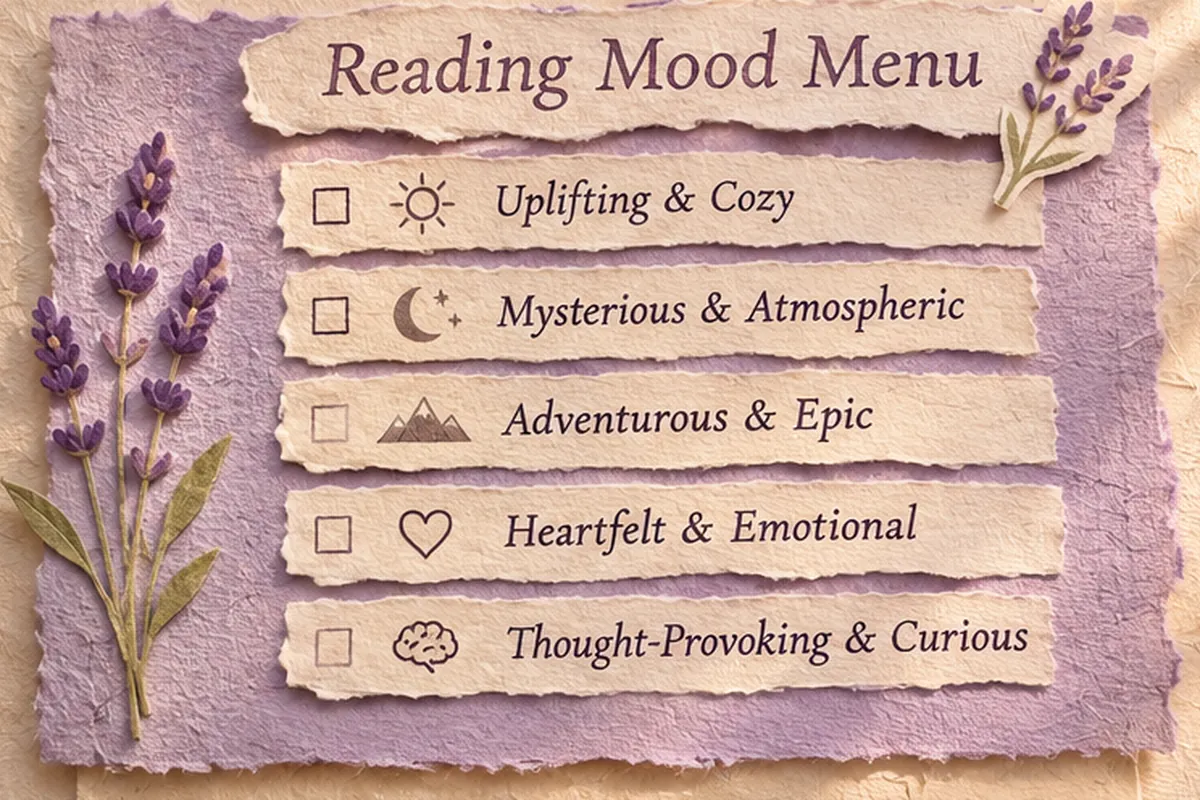
A mood menu is easiest to use when the headings describe the experience you want. “Readable in short breaks” may help more than a genre label. Leave a book on whichever list you would look at first. If it doesn’t fit in that mood once you start, move the title or write a brief note about what you expected.
3. An unread books I already own page
Write the titles of a few books you can reach without placing a hold or making a purchase. Add their shelf or bag location if they tend to move around. You can sort into short reads, one long project, and books you still want to sample. Skip counting your whole shelf if an inventory would put you off starting.
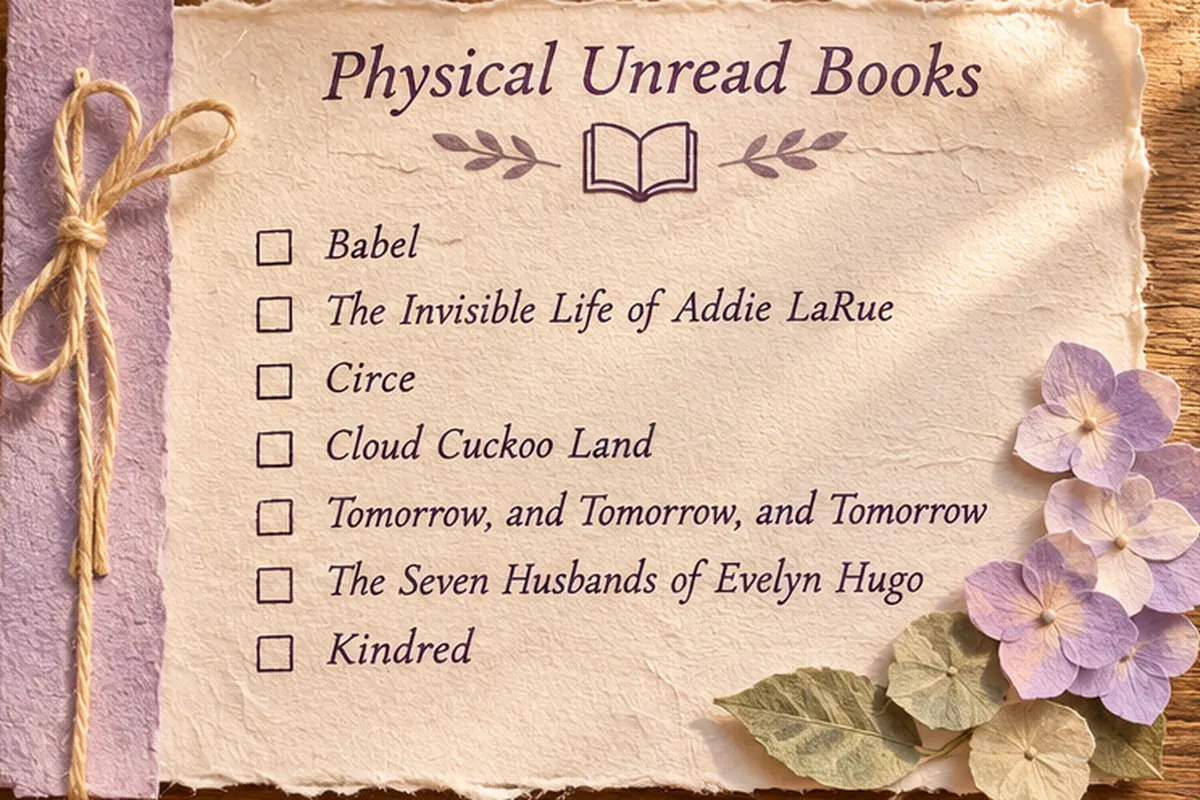
Try a smaller version with four books you want to try soon. Draw an empty box beside each and mark it when you sample a chapter. Add “keep,” “lend,” or “pass on” when you know what you want to do. That can be more useful than maintaining a permanent list of every title in the house.
4. A digital and audio queue
Use one row per book and add the app, library, or format in a short column. If you listen when travelling or doing chores, record which titles you can easily follow with interruptions. Put a narrator name beside a sample you liked. Keep a mark for titles you can access immediately and one for those that are waiting on a hold or download.
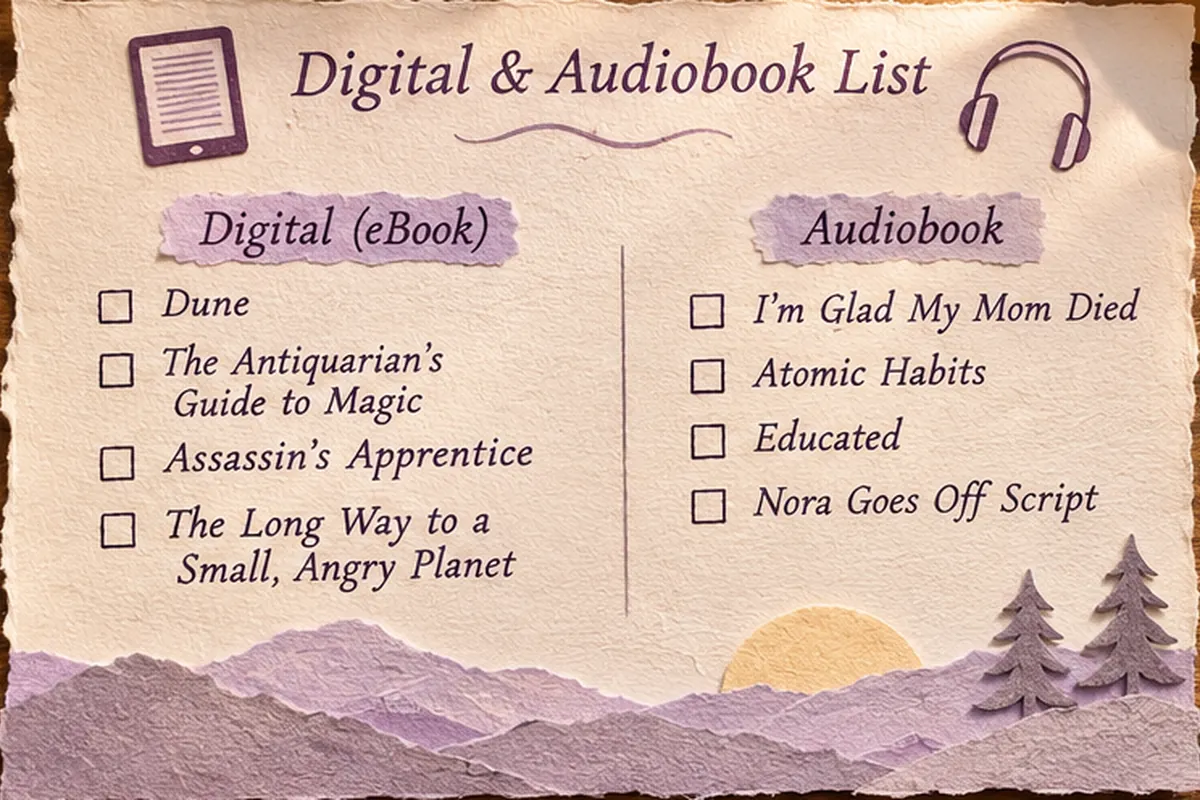
When a print and audio version are both available, record them on the same line. A library item that disappears after the due date can carry a small date mark. If you later record finished titles with the reading log printables, you can keep availability here and note the actual format you used on the finished sheet.
5. A library holds list with pickup dates
Draw columns for title, status, and deadline. Separate dates for pickup and return if you use one sheet for both. Circle the closest deadline during your next check. Give an estimated wait its own wording so it is not confused with an actual return date. If your library lets you pause a hold, put the return-to-queue date near the title and adjust it when plans change.
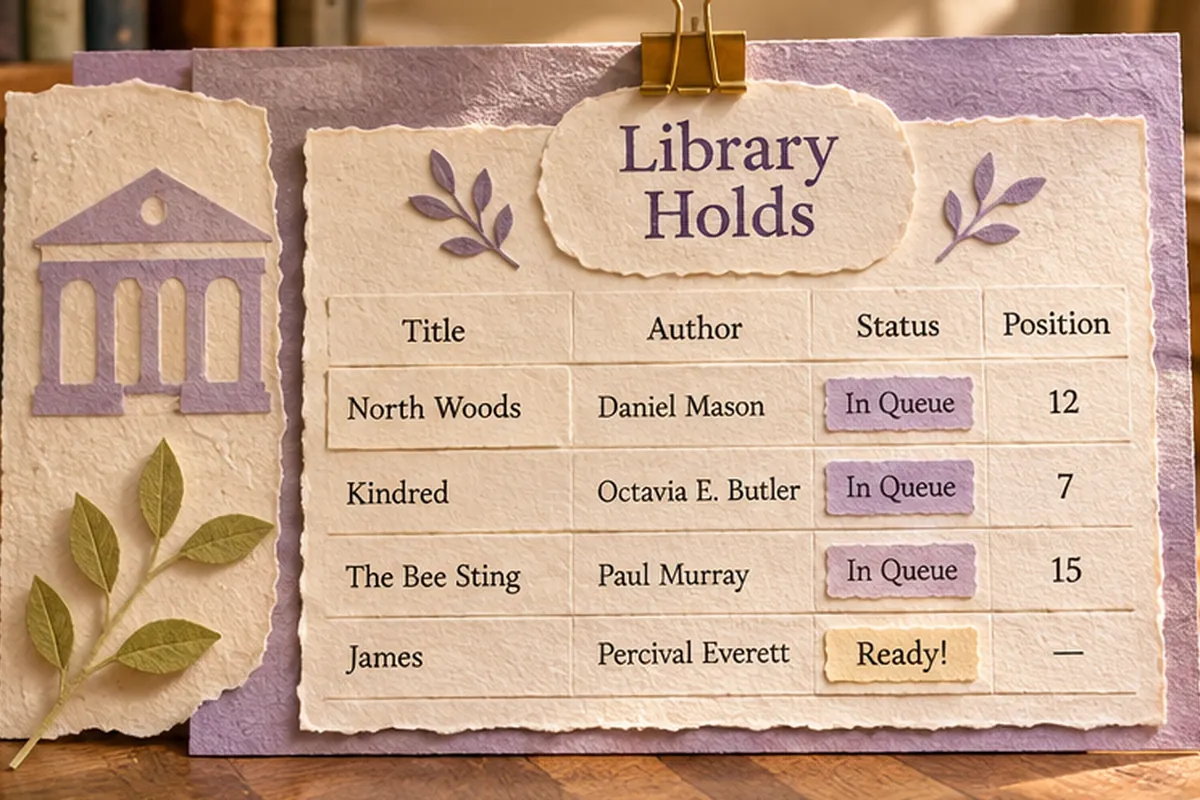
This is where you can see when several books might arrive at once. Choose which one has a fixed deadline, like a book club title. A morning scribble in the margin can show which book you decided to bring back unread. Remove the line when there is nothing left to do with it.
6. A seasonal reading list
Make a small panel for the current season, leaving two or three spaces for choices you have not discovered. Write a date range beneath the title or use a phrase like “over the long break.” Use it for reading that suits the time, whether that means an essay collection on a trip or a long novel when you have more evenings free. Move books forward only if you still want to read them.

Use one pencil color for confirmed picks and another for possibilities, or put possibilities in a narrow margin. Record a reason for any book that looks like a long commitment. That can make it easier to decide whether to start it this season or save it for a quieter stretch.
7. Three book choices for one month
Write one book you expect to start, one easier option, and one extra if the first two go quickly. Give each a note about why it’s here. A short list is useful when the month contains exams, travel, or a larger project. You can choose a different title if the list stops fitting your time. Keep two lines at the bottom for unexpected picks or a book you didn’t finish.
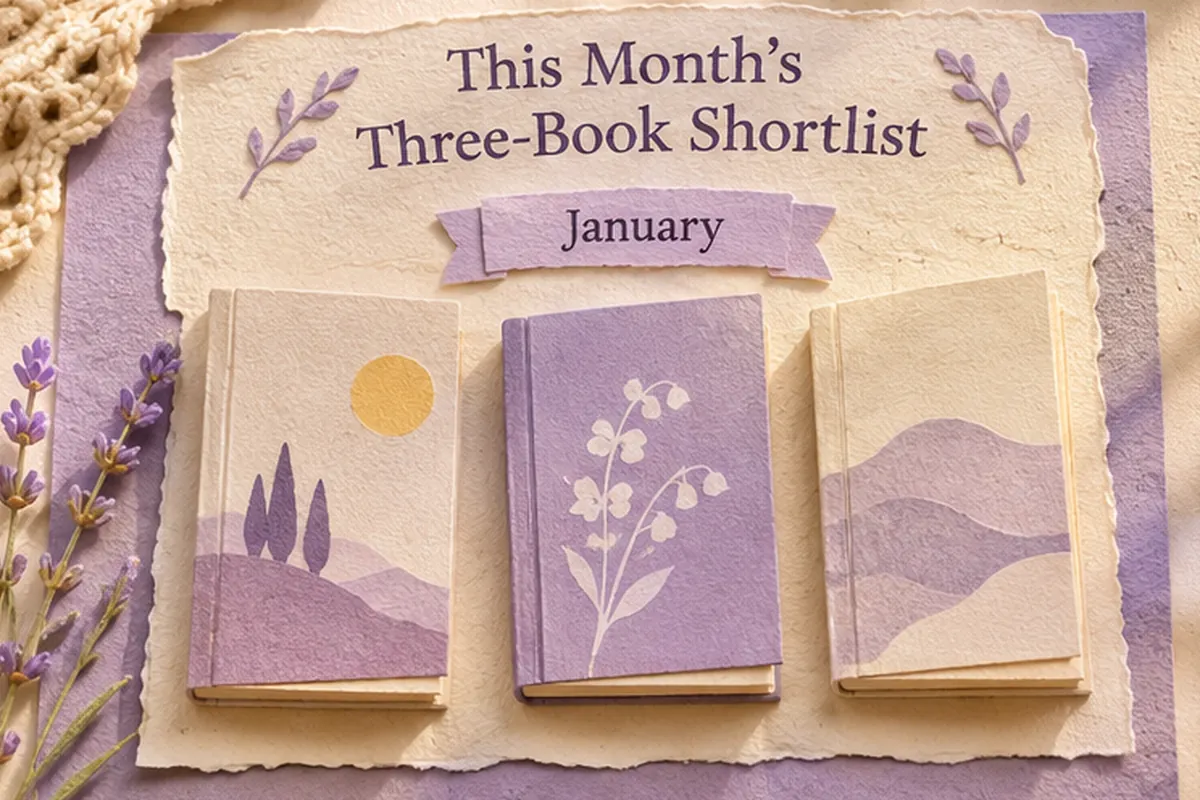
At the end of the month, move forward only the titles you want to see again. Put an arrow beside a book you want to continue, or write “return” if it has to go back first. Put your marks in pencil until the page has gone through a few revision cycles.
8. A book club and buddy-read queue
Use meeting dates as the main structure. Start each line with an actual date, then write the title and where you can find it. Leave a margin for the latest day you would like to finish reading. Keep any theme or later book suggestion in a separate section so the scheduled picks stay easy to find. A narrow column for format helps if members use different editions.
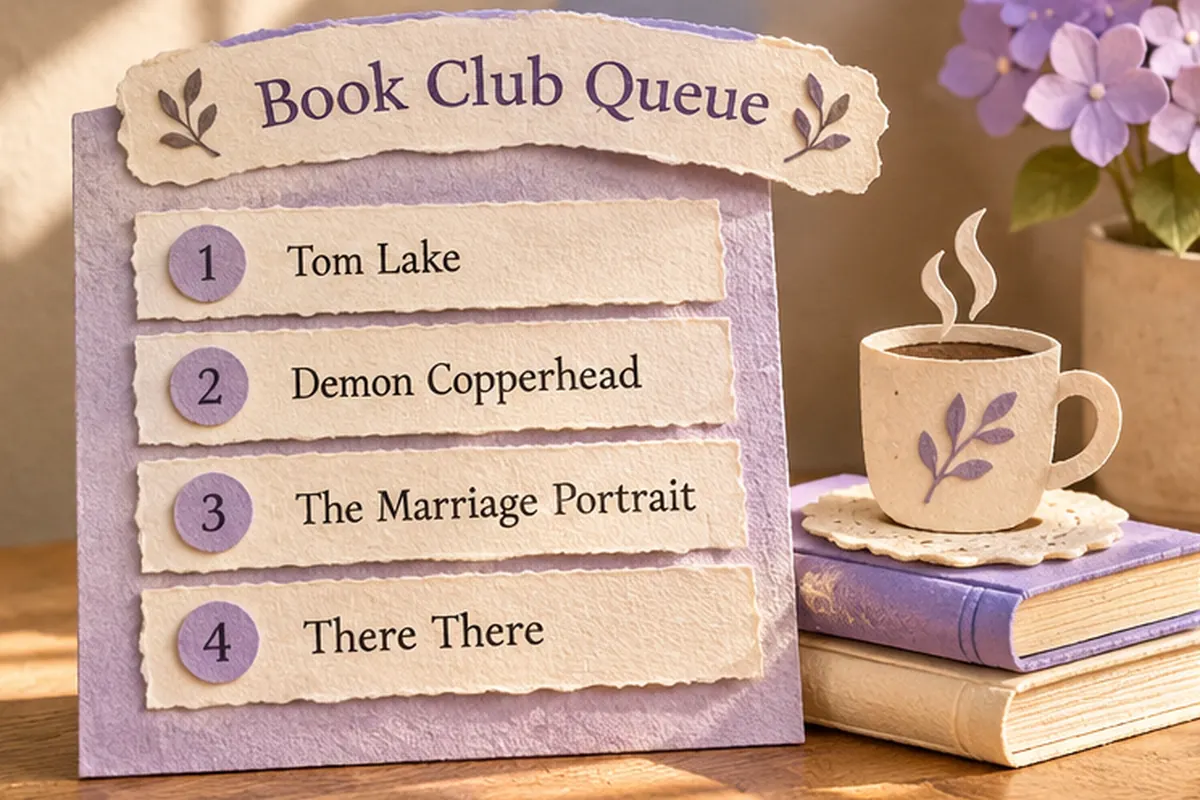
Add one discussion prompt once you start the book. You can keep the scheduled title on the queue until the meeting and move the rest of your notes into a book review journal spread after the discussion. If you do both, put the review page number next to the club entry.
9. A series order checklist
Give a series its own column and number each volume under it. Write whether you own it, need to borrow it, or have finished it. If a related novella is optional, mark where it fits with a small side line. Use the edition or numbering that matches your copies so a differently named book does not look like a missing volume.
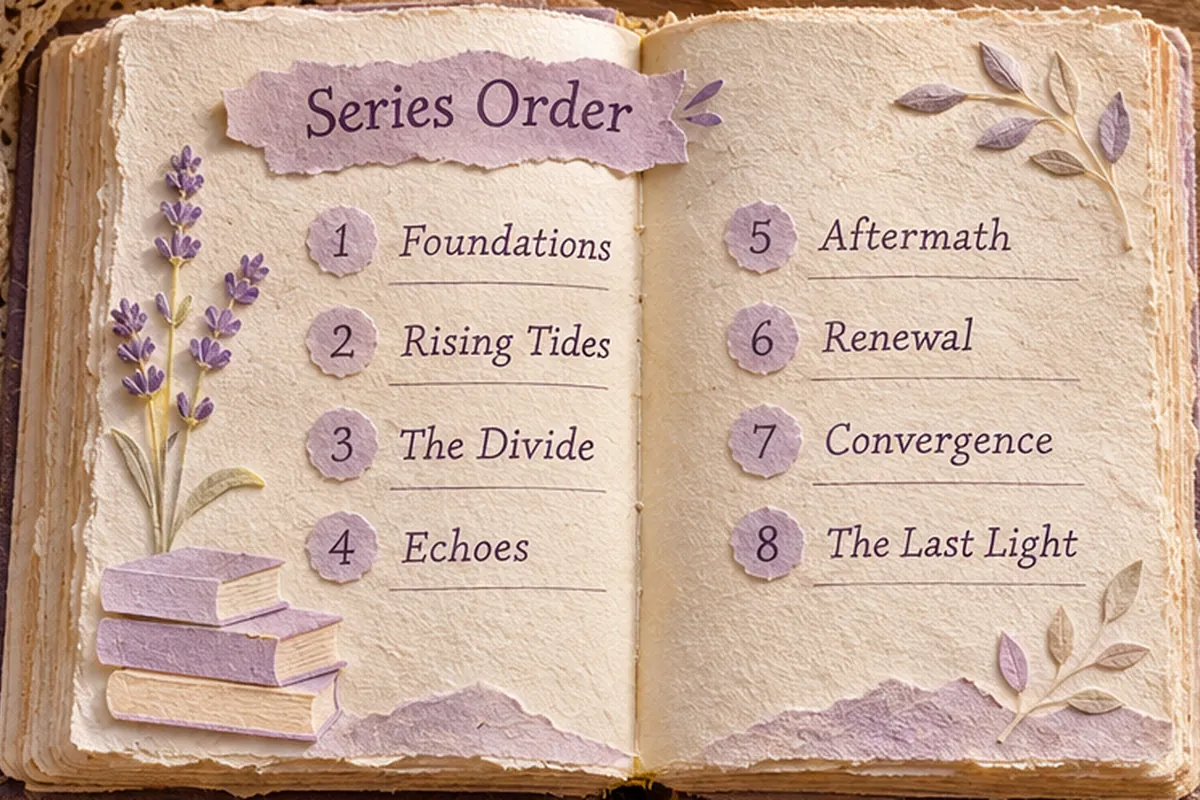
Series lists can get long quickly. Put the next two titles in darker ink or mark them with a removable tab. If you’re reading several series at once, give one a top spot and pencil in a place to switch when you hit a long wait. Keep release dates in pencil if they can change.
10. Recommendations arranged by source
Write the book and where it came from: a friend, a podcast, a review, or a shelf you browsed. Add a short recommendation note in your own words. If you remember only a scene or a keyword, record that beneath the title so you can look it up later. This spread is particularly helpful when several recommendations have similar names.

Try putting a little circle around recommendations from people whose tastes overlap yours in a particular genre. You can revisit that short set before choosing your next read. Keep the source specific enough to remember, but leave extra details off if they do not help you decide.
11. A random pick pocket
Write one title on each of five slips. Put them into a small envelope or journal pocket. Pick from books you can start soon and that fit the amount of time you have. Draw one slip on a day when too many options are slowing you down. Keep permission to draw another if the first choice does not work for that day.

Use different slips for different purposes if you want to keep the selection practical. One color might be a short read and another a long book. Label the pocket above the flap, and leave bulky tags out so the book can close easily after the slips go in.
12. A paused list and next-up column
Give one side to books you have paused and one to titles you genuinely want to try soon. On paused books, write where you stopped and whether you are waiting for time, a new format, or a better moment. A very short entry helps when you are deciding whether to resume. Give yourself a month or season to revisit it if a date would be useful.
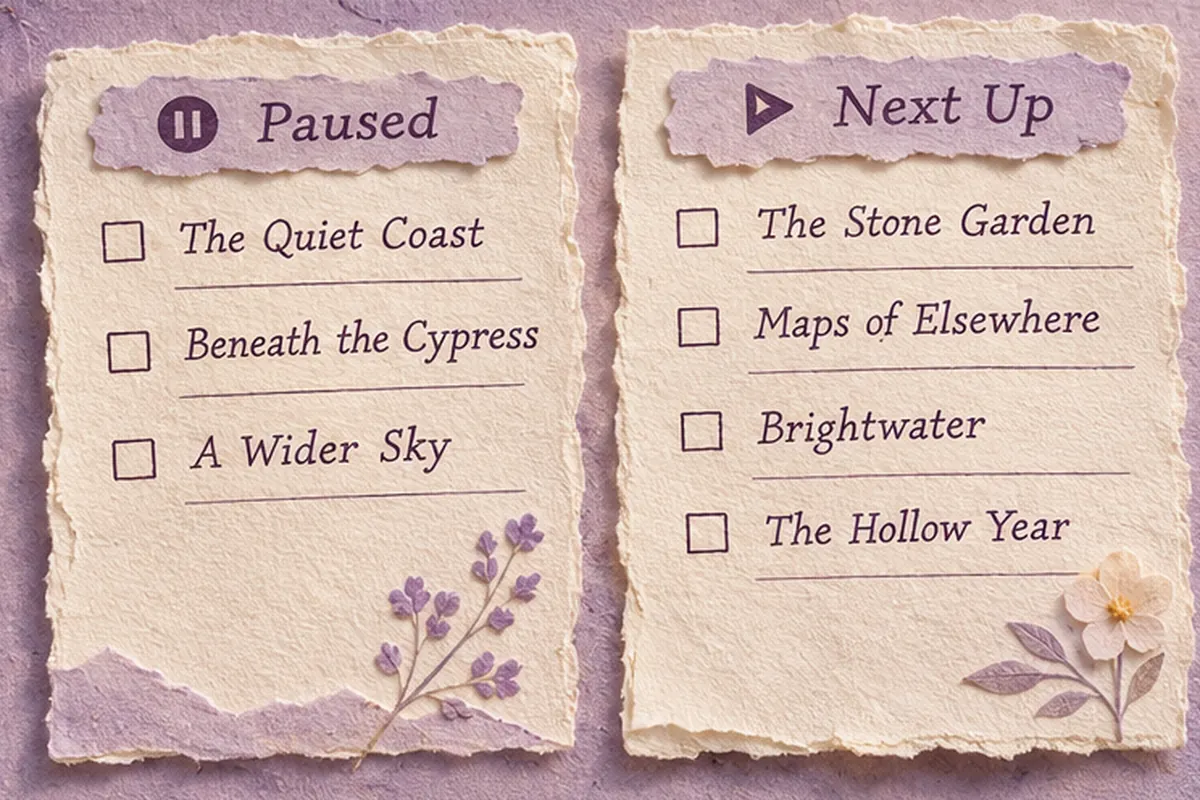
The next-up list can contain a resumed book, but only when you’ve decided to give it another try. Keep notes about why you moved it. “Would like to restart from chapter three” is enough. If it is no longer an active option, let the line go without moving it to another page.
13. Books that fit a certain time window
Use headings like “one evening,” “a few short sessions,” and “a longer stretch.” Base the estimate on length, chapter structure, or how slowly you like to read that kind of book. The categories need only help you make a choice. Move a title if a sample shows it reads differently from what you expected.
14. A small theme list
Choose one topic you genuinely want to explore, such as gardens, city history, or family recipes. Add three books that approach it differently, perhaps a novel, a memoir, and a reference book. Write one reason to try each. It is fine to keep the other titles in the master list after the theme runs its course.
15. A “sample first” spread
Give undecided titles a small note and a place to mark whether you tried a chapter or audio clip. Write what helped you decide. A line about the prose or narration is more useful than a checkmark alone. Move the books you still want to start onto the active list and let the others rest.
Keep it useful after the first month
Cross out a book when it stops being a real option. At the end of the month, review the previous pages for titles you saved repeatedly. Pull one back into active view or record why you kept passing it over. This is also a good time to remove a column that has stayed blank. A narrow page with a useful source field can be better than a visually elaborate tracker with spaces you never fill.
An example of moving one book through the pages
Imagine a friend recommends a long novel. Write the title on the recommendations page with their name and the reason it caught your attention. When you request it, note the hold on your library page. Once it is ready, give it an active slot if you plan to make time for it. If the due date arrives first, return it and keep the original note where you can find it again. When you finish, put an entry in your reading log and cross out the reminder. Each page describes one decision, so you can see exactly where you left off.
If you always forget to move entries, use a master list and add a removable marker beside the few active rows. The same system can live on one spread when the distinction between longer and shorter lists matters more than the number of pages.
For a reading list you share with a friend, keep a simple mark next to books you can both get. The next-up page can hold those titles while your own longer list stays open for recommendations that only suit one of you. Look back at both lists after the first book to see which notes mattered.
Frequently asked questions
What does TBR mean in a reading journal?
TBR means “to be read.” In a reading journal it can include books you already own, library holds, and recommendations you may want to revisit. Use a smaller separate page if you need to keep track of what you intend to start next.
How many books should be on an active TBR?
Start with the number you can comfortably consider at a glance. Three can be plenty for a busy month and six can suit a season. A new recommendation can go on a separate list until you have room to choose it.