Book Review Journal Ideas: 12 Creative Layouts and Writing Prompts
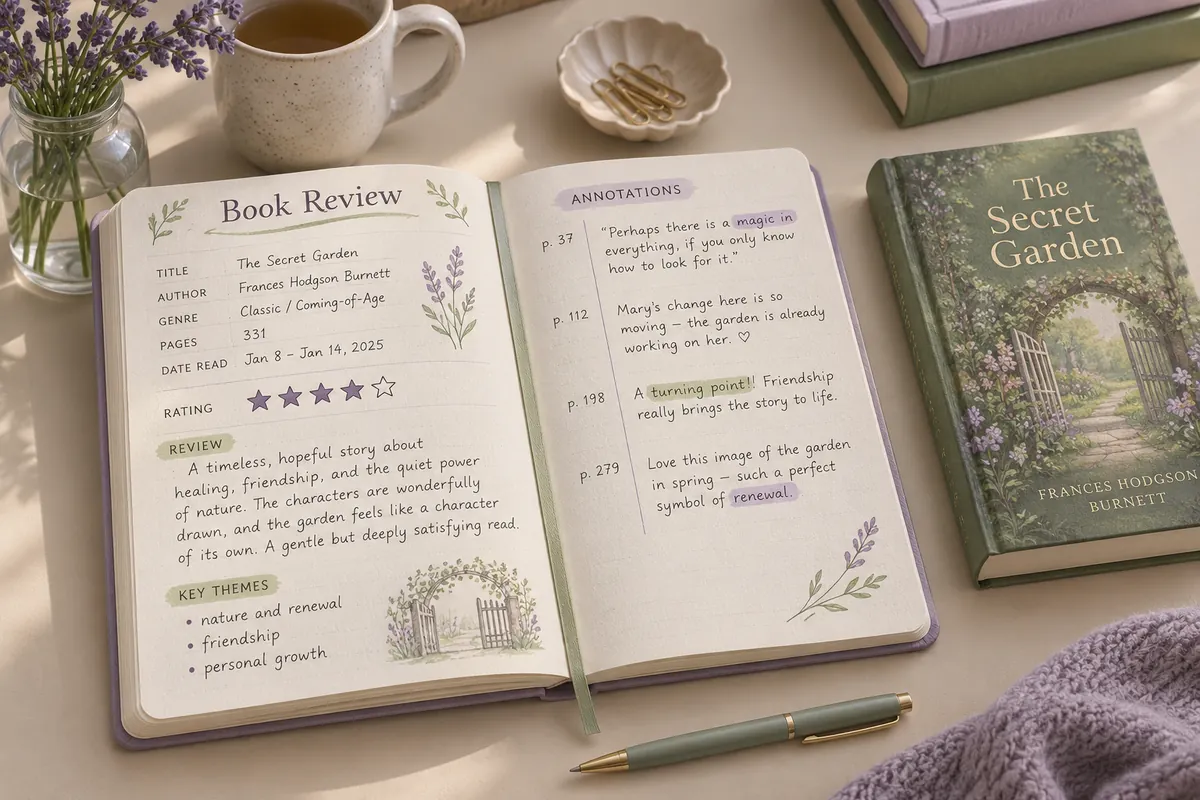
A book review journal gives you somewhere to put an opinion while the details are still fresh. Start with the title, an honest reaction, and one example from the book. Add a rating if you like comparing your reads, or use the space for a recommendation in your own words. These 12 book review journal ideas range from a six-line review to a facing-page comparison. Each includes a question to help you write something specific.
Start with a page you can finish
Make room for the title, author, and date you finished. Leave the rest flexible until you know whether you prefer to remember scenes, make recommendations, or sort out mixed feelings. A private review can include the ending if you want it to. For a book-club handout or a review you might share, make the spoiler-free part easy to find. You can keep a detail about the ending on a facing page or beneath a clearly labeled heading.
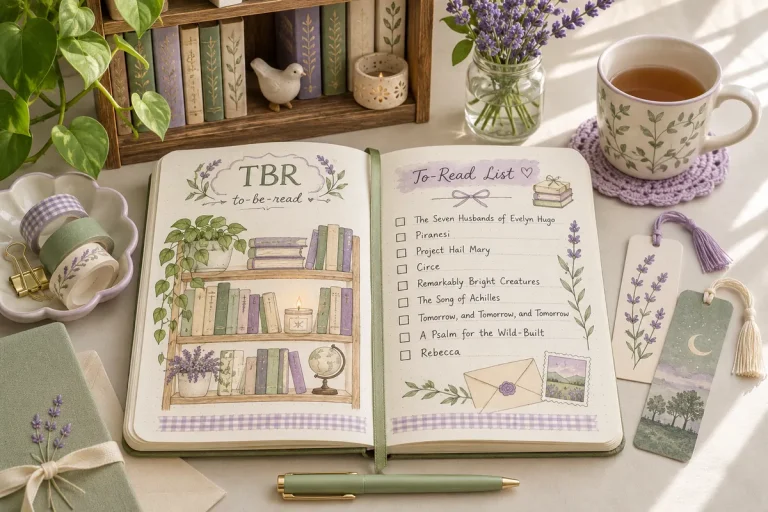
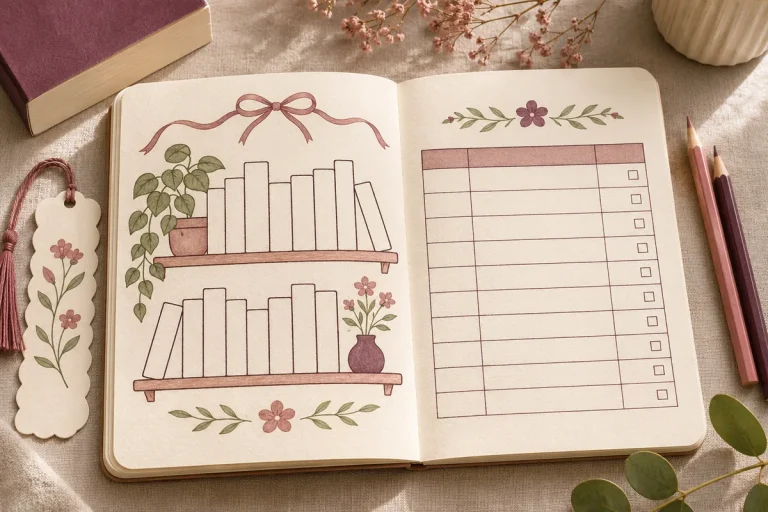
Put a few short prompts in pencil before drawing a full layout in ink. After one book, check which prompts helped you remember it a week later. If a field feels like homework, leave it off the next version. And if you already use a bookshelf reading tracker, add a small page number beside the illustrated book so you can find the full review later.
12 book review journal layouts and prompts
1. One page with a summary, reaction, and recommendation
Reserve the top two inches for the title, author, and date. Use the next few lines for a one-sentence premise in your own words. In the largest area, write how you reacted and what in the book led to that reaction. Put a single recommendation line at the bottom. “For readers who like conflicted narrators and a slow reveal” will help you remember more than “everyone should read it.”

Start with this prompt: What did I find myself thinking about after I closed the book? One answer could be “I kept thinking about how often the narrator changed the subject when anyone asked about home.” The distinction between what happens and what you noticed is helpful when you reread an old review. Use the margin for the page reference if you think you may want to find the passage again.
2. A facing-page spread for a longer review
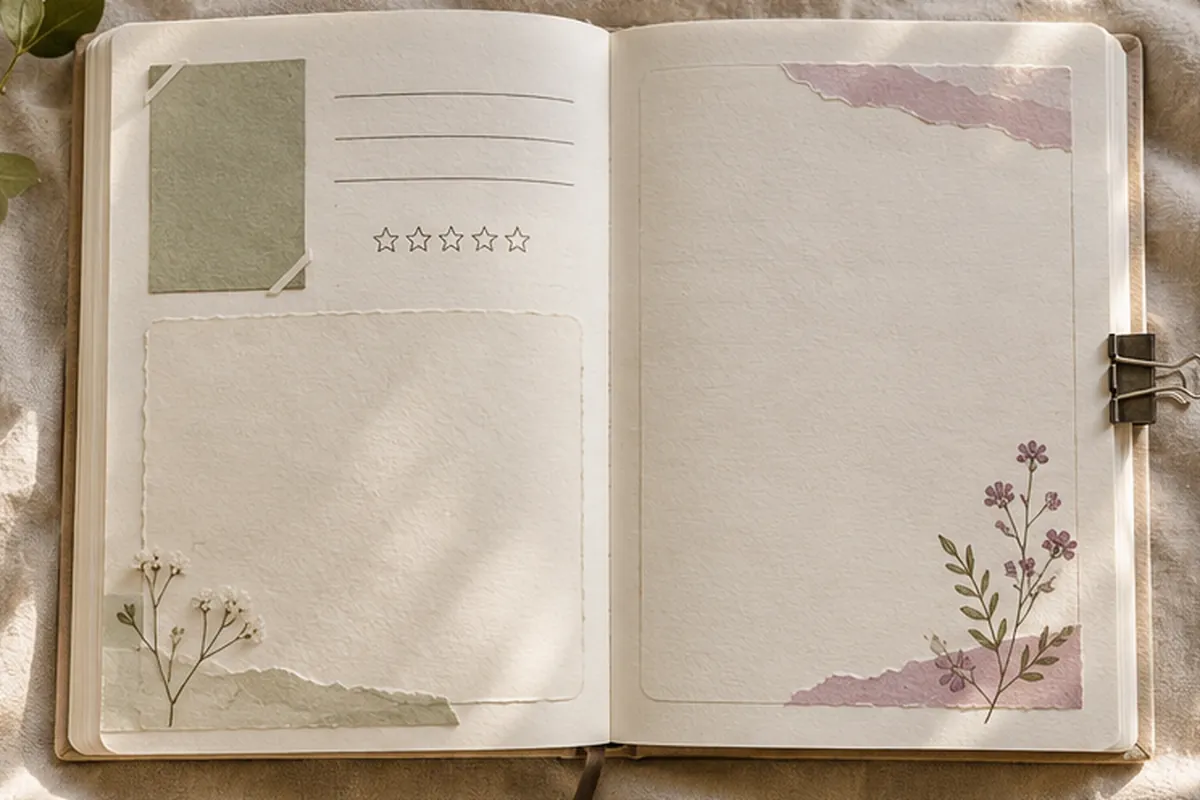
Use the left page for the book’s premise, reading dates, and a few short impressions. Keep the right page for your interpretation or response. Put a small heading at the top of each page and give the right-hand page more writing room if you regularly think of things after finishing the book. A pencil bracket is plenty for marking a paragraph you might return to later.
Try asking what you would tell someone about the book after one chapter, then what you would say after finishing it. The gap between the answers is worth writing about. When you’re unsure whether your take changed because of a plot reveal, a change in pace, or your own frame of mind, write two possibilities and name what evidence points toward each one.
3. A review card you can share without spoilers
Draw four short fields on an index card: the setup, the tone, a strength, and who might enjoy it. Keep the setup close to what readers learn at the beginning. Describe patterns or the quality of the prose without naming what a character discovers. If the book changes genre or direction midway, choose a broad description such as “a quiet beginning with growing tension.”
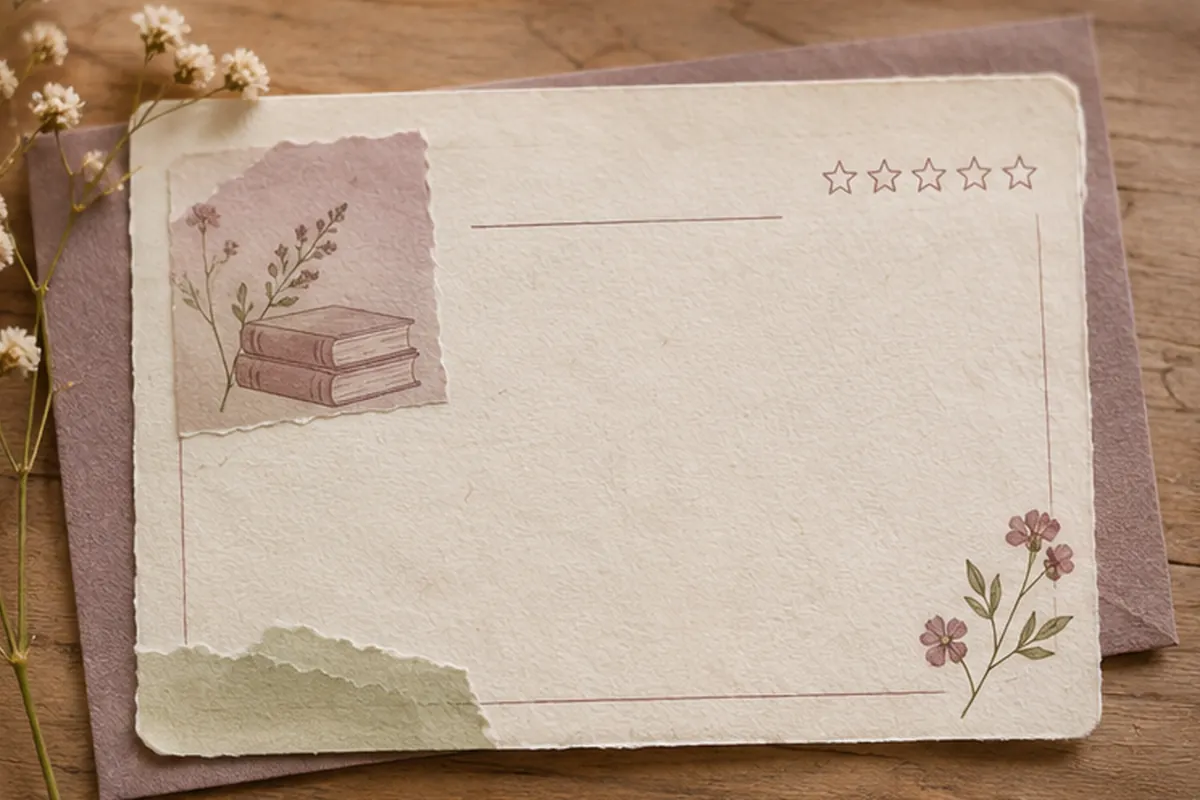
Try this prompt: What can I tell someone that will help them decide whether the book suits them? Pick one concrete feature, such as short chapters, overlapping points of view, a detailed setting, or a relationship that develops slowly. Read the card back as if you already knew only the first chapter. If a line jumps ahead of that, move it to your private notes.
4. A small rating rubric
Make a short row for three or four qualities you often care about. You might choose voice, pacing, clarity, and how well the ending fits the rest. Leave room under the row for a sentence about your overall judgment. If you want your ratings to be comparable later, decide what each rating means to you and put the key inside the cover. A three might mean you liked it with reservations, while a five might mean you would gladly revisit it.
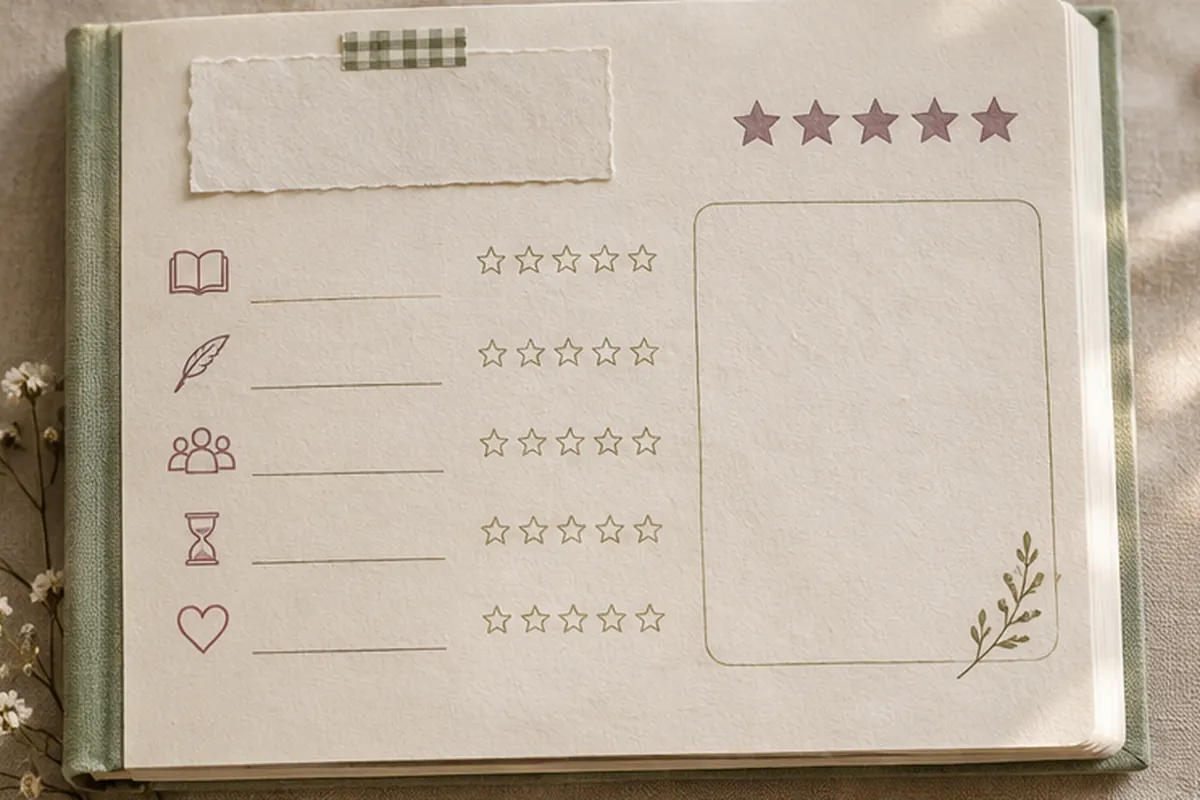
Ask which quality mattered most here. A slow pace can suit one book and hold another back. Give yourself room to write “the slow pace made the final conversation feel earned” even when you usually prefer rapid plots. You can also mark a field as irrelevant for a particular title instead of forcing every book through an identical scorecard.
5. A character and relationship page
Give the central character one card-sized section and add a small space for two people who influence them. Near each name, write what that person wants, what changes, and a scene that made you notice. If you draw arrows, add verbs like “protects,” “envies,” or “avoids.” A labeled arrow is easier to understand weeks later than an unlabeled line between two names.
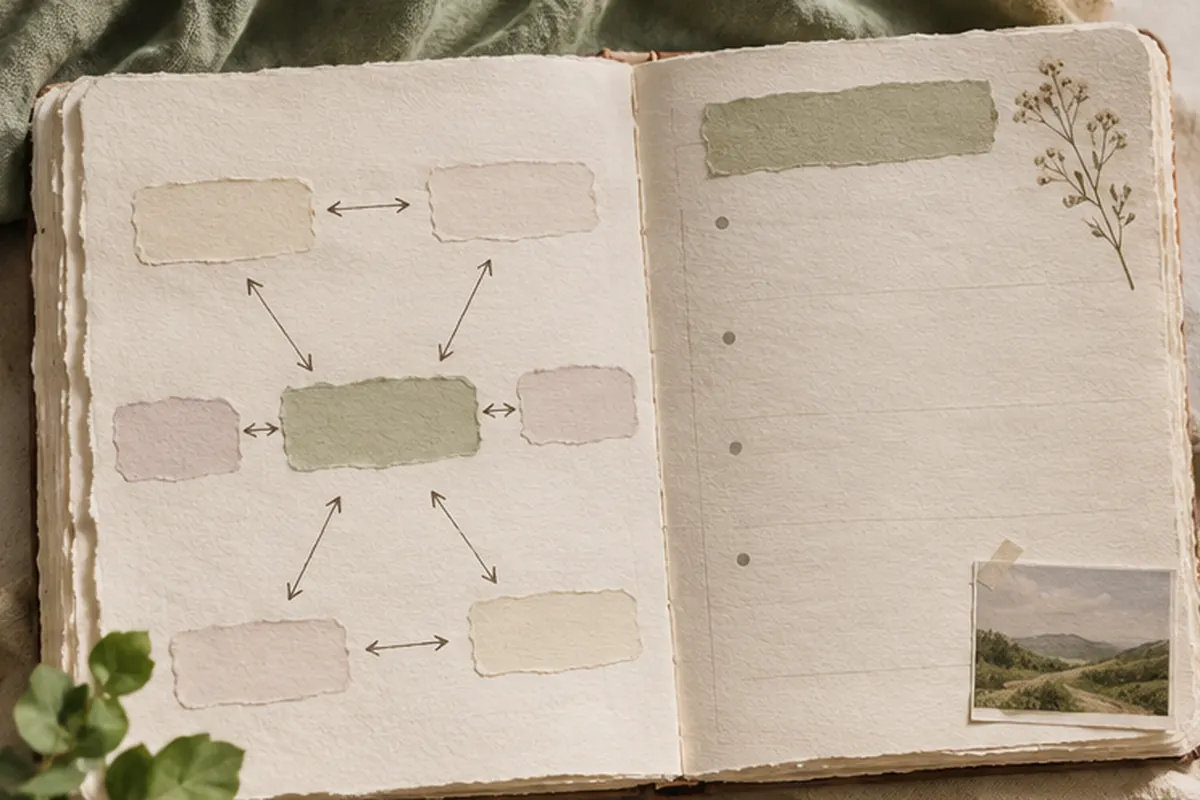
Try asking which relationship moved the story in a direction you didn’t expect. Pick a moment with a choice or a disagreement rather than attempting to record every meeting. For an ensemble novel, start with only three people. Add a second page if there are parallel groups that need their own space. A small note in the margin can connect the two pages.
6. A passage and response spread
Divide a page into narrow and wide columns. In the narrow column, note a page or chapter plus a brief phrase or description that will help you find the passage. Use the wider column to answer why you marked it. When comparing editions, a chapter reference can be easier to locate than a page number alone. If you plan to publish a review, you can summarize the passage in your own words and use a reference for your own editing.
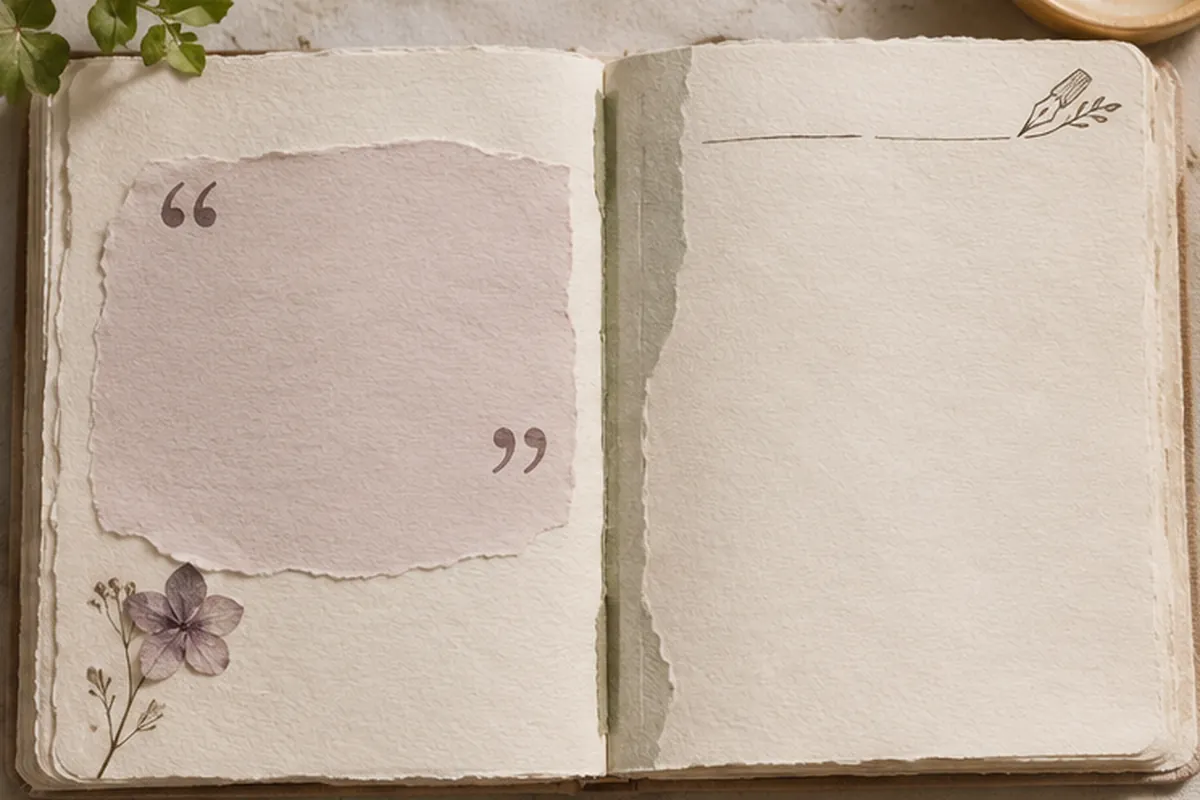
Try asking what the author did in that passage that you could hear or picture. Name one choice, such as a single sound in a description, a sentence that changes length, or a word the narrator repeats. This keeps the spread about your response to the writing and gives you something to revisit before you recommend the book.
7. A page for one recurring theme
Write a question at the top, such as “What does the book suggest about belonging?” Add three boxes for moments where that question became more complicated. Write down who was present, what happened, and what detail changed how you read the scene. Leave a wider space at the end for a few sentences that draw the moments together.
Ask whether your first interpretation still fits after you’ve collected the examples. If two scenes point in different directions, underline the tension. In a novel about belonging, one invitation might feel generous and another might come with a cost. A thoughtful journal entry can keep both observations visible. Add a date to the interpretation if you think it may change when you reread.
8. Compare two books on facing pages
Choose two books with something specific in common, such as a small-town setting, a family secret, or two very different arguments about the same subject. Give each book its own page and repeat the same three questions on each side. Keep one line across the bottom for what you noticed only once the books were next to each other.
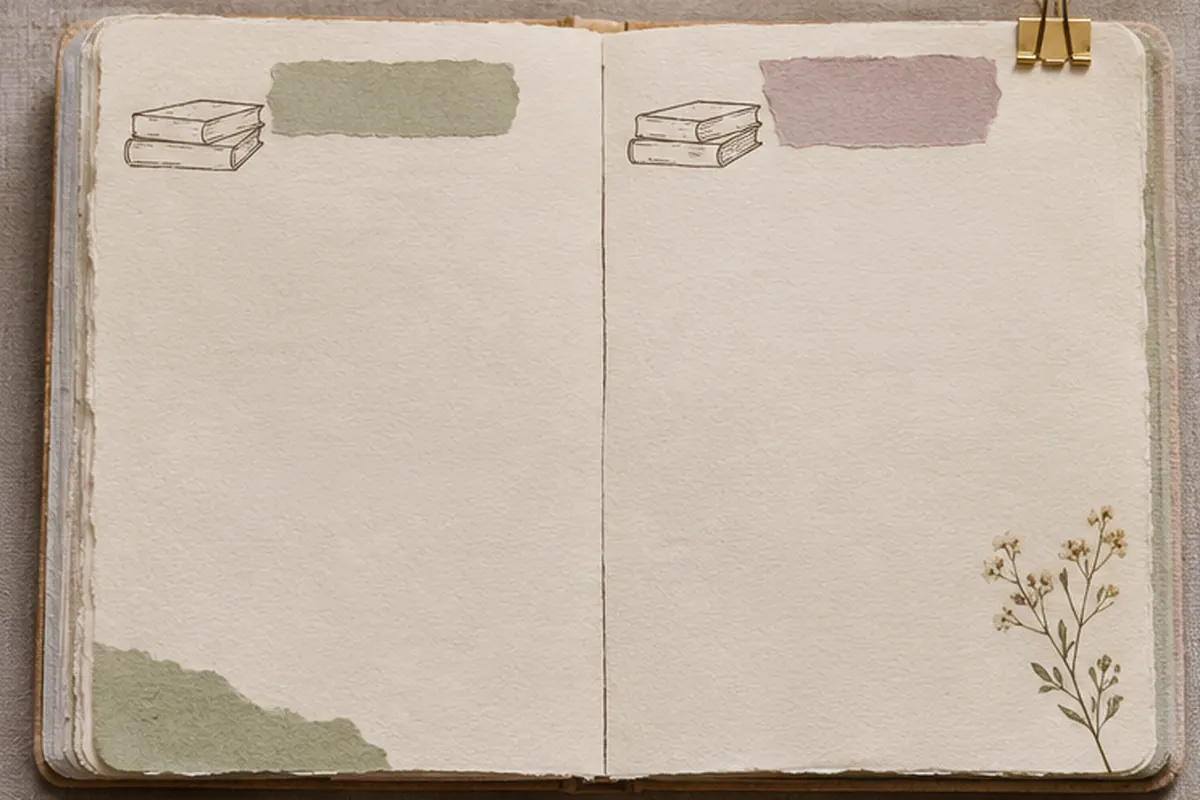
Try asking how each book gets you to trust its narrator or argument. One may show uncertainty openly while the other relies on a confident voice. Use one example from each and write your comparison in plain language. If the subjects differ too much, narrow the question to one element such as the opening chapter. This makes the comparison easier to finish and easier to read later.
9. A reread page with past and present reactions
Split the page into your first impression and your impression now. If you still have an earlier review, copy a sentence from it or point to the page in your journal. Without a written record, name a scene you remembered before opening the book. Keep dates visible and mark the difference between what you remember and what your earlier notes show.

Try asking what faded, what stayed, and what you understand differently now. You might have remembered a dramatic reveal and forgotten how patient the author was with a quieter character. Write one small change in your own life or reading habits if it seems relevant. The page works even if your overall rating stays the same.
10. An audiobook review with separate listening notes
Give the written work and the listening experience their own short boxes. Add the narrator’s name, the edition if you know it, and a note about where or when you listened. Record one specific thing about delivery, such as how clearly voices differed or how the rhythm made a scene easier to follow. If you switched between print and audio, write where you made the switch.

Ask what the performance made easier to understand. For example, a pause might signal that a line was more hesitant than you originally read it. You can enjoy a narration without loving the story, and writing separate notes preserves both reactions. If you want to find a moment later, record the chapter with a timestamp rather than the timestamp alone.
11. A book club review with room for new thoughts
Divide a spread into before and after the meeting. On the first side, record a private reaction, a question you want to ask, and a scene with more than one plausible interpretation. On the second, write down one point from the discussion and how it affected your reading. Leave names out unless you need them for a private reference and the contributor is comfortable being quoted.

Try asking which part of the discussion made you look at the book twice. If nobody agreed, write the two interpretations next to each other and list what each person pointed to in the text. That often preserves the substance of the meeting better than a recap of which book the group picked next. Add an action line only if there’s something you actually want to revisit.
12. A six-line recap for busy weeks
Give yourself six short lines: title and author, what drew you in, what you liked, what slowed you down, one detail to remember, and who might like it. If you run out of room, choose a single reaction and write it in one sentence. You can finish this layout in a few minutes and leave more detailed entries for books you want to think about longer.
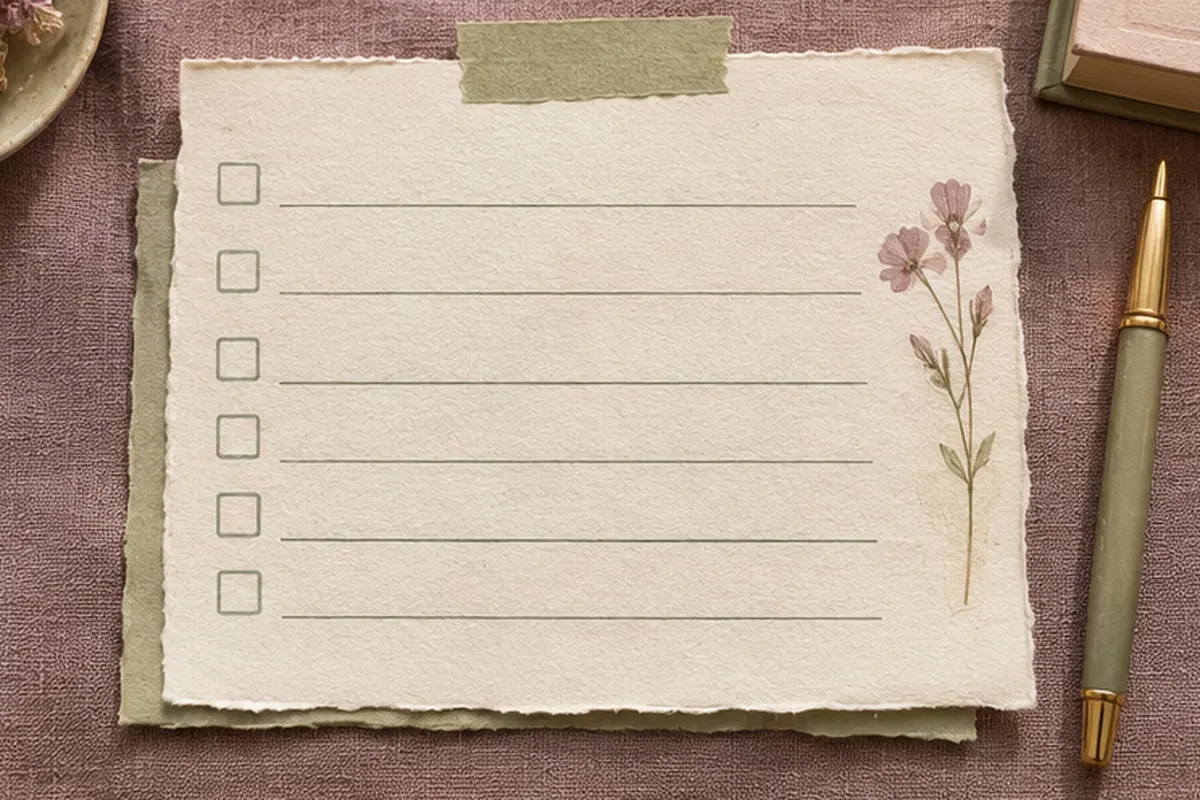
Ask what a future version of you would want to know before recommending the book. One sharp line can do a lot: “The alternating chapters are easy to follow, but I wanted more about the relationship between the sisters.” If you regularly fill several quick pages, add dates or a simple index to make browsing easier.
Keep your reviews easy to find
Number the pages before you fill the notebook, and add the number to your index as soon as you start a review. A good short index uses three fields: author, title, and page. If you regularly switch between a notebook and printed sheets, give each review the same order of fields so moving between them feels natural. The printable reading logs for adults include a one-line review sheet for quick entries and a finished-books page for finding them later.
Try setting up just two layouts first. Make one compact version for most books and one longer version for the books you keep thinking about. For the next few reads, write freely and notice whether you refer back to recommendations, discussion notes, or particular passages. Then put more space where you naturally use it. A layout you can finish regularly will give you more to read later than a perfect spread you only have time to use once.
See how a finished review can sound
For a fictional example, imagine that you just read a novel about two sisters emptying a coastal house. Your one-sentence premise might be, “Two sisters return to sell the home they inherited and discover they remember their childhood differently.” For your reaction, try, “I was more interested in how they sorted the contents of the kitchen than in who would buy the house. The author let each sister notice different signs of wear on the same objects.” Then add, “I’d recommend it to someone who enjoys quiet family stories, especially ones told from more than one viewpoint.” The three parts answer different questions and give you an example to refer back to.
When you turn a short review into a longer one, expand the point you most want to test. In this example, you could compare one kitchen scene with the same sisters’ later conversation, or describe what you would change about the pacing. A small, checkable example keeps a review useful even after you forget the names. Put the premise near the top for easy browsing and let the evidence and your reaction take most of the page.
If a review is mainly for recommending books, keep a note about the person you had in mind. When it is mainly for remembering what you read, keep a concrete scene in view. A layout can do both, but arranging the more useful part first makes it easier to find months later.
Frequently asked questions
What can I write if I don’t know what I thought yet?
Write a concrete observation and one question. “I liked the first two perspectives, and I’m still figuring out why the third felt distant” is a review you can return to. Add a second note after a day or a discussion if your response changes.
How much plot summary should a journal review include?
One or two sentences are enough for most short personal reviews. Use the extra space for an example of what worked or a detail you want to remember. Add a clearly labeled spoiler section when the ending matters to what you’re writing.
Should I review books I didn’t finish?
You can record where you paused and why. A note that you set a book aside during a busy week means something different from a note that the pacing wasn’t for you. Dating the entry helps you remember which situation applied later.