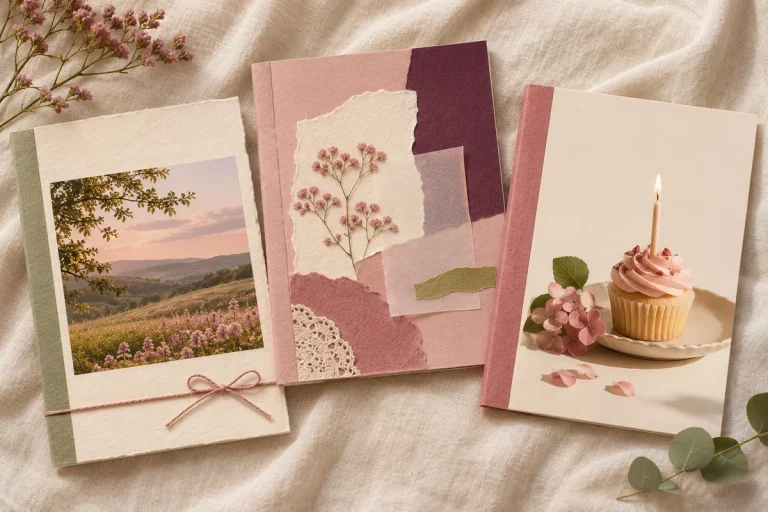
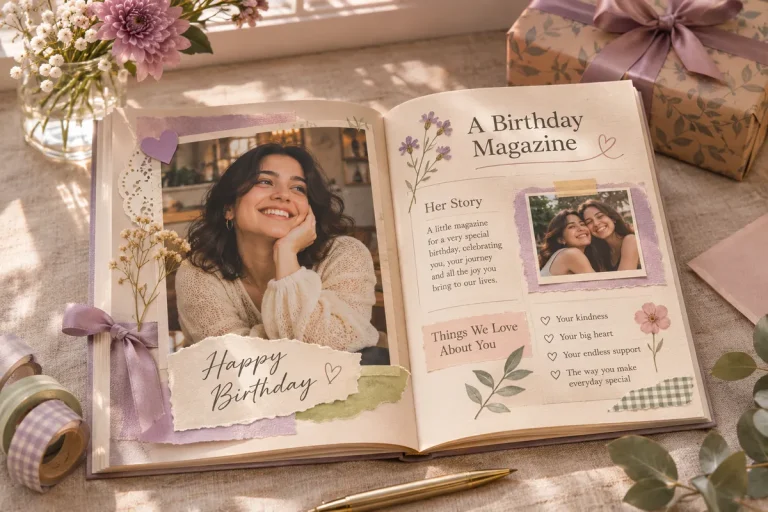
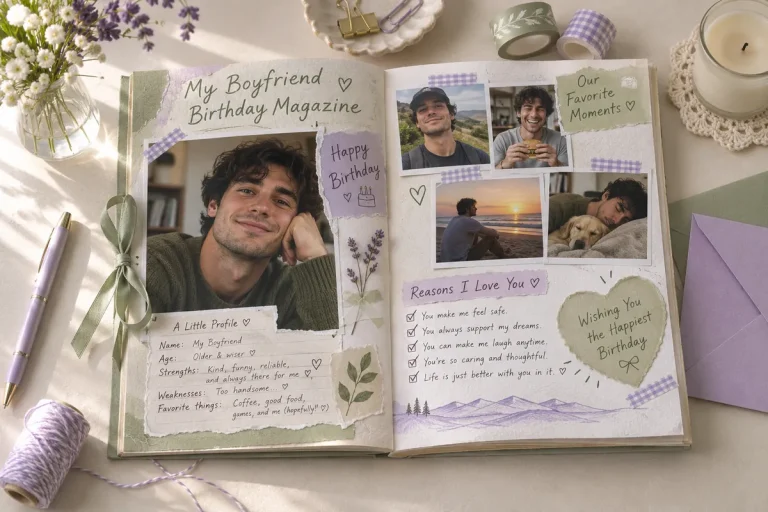
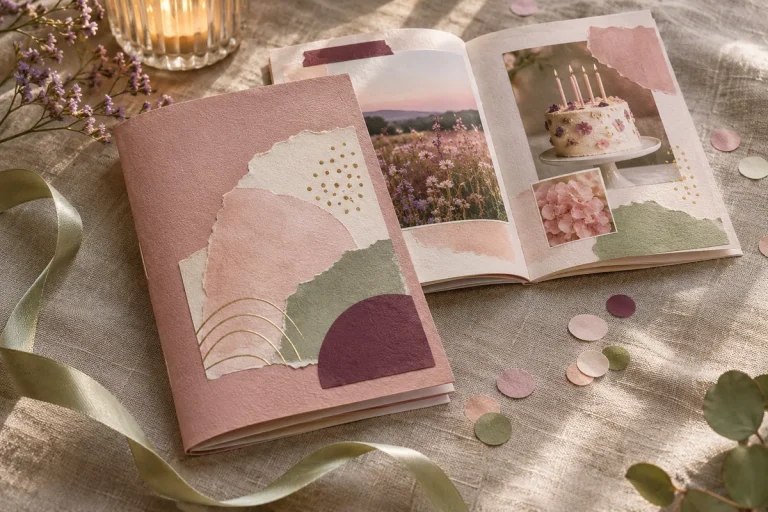
18th Birthday Magazine Ideas: 15 Personalized Pages for a Special Gift
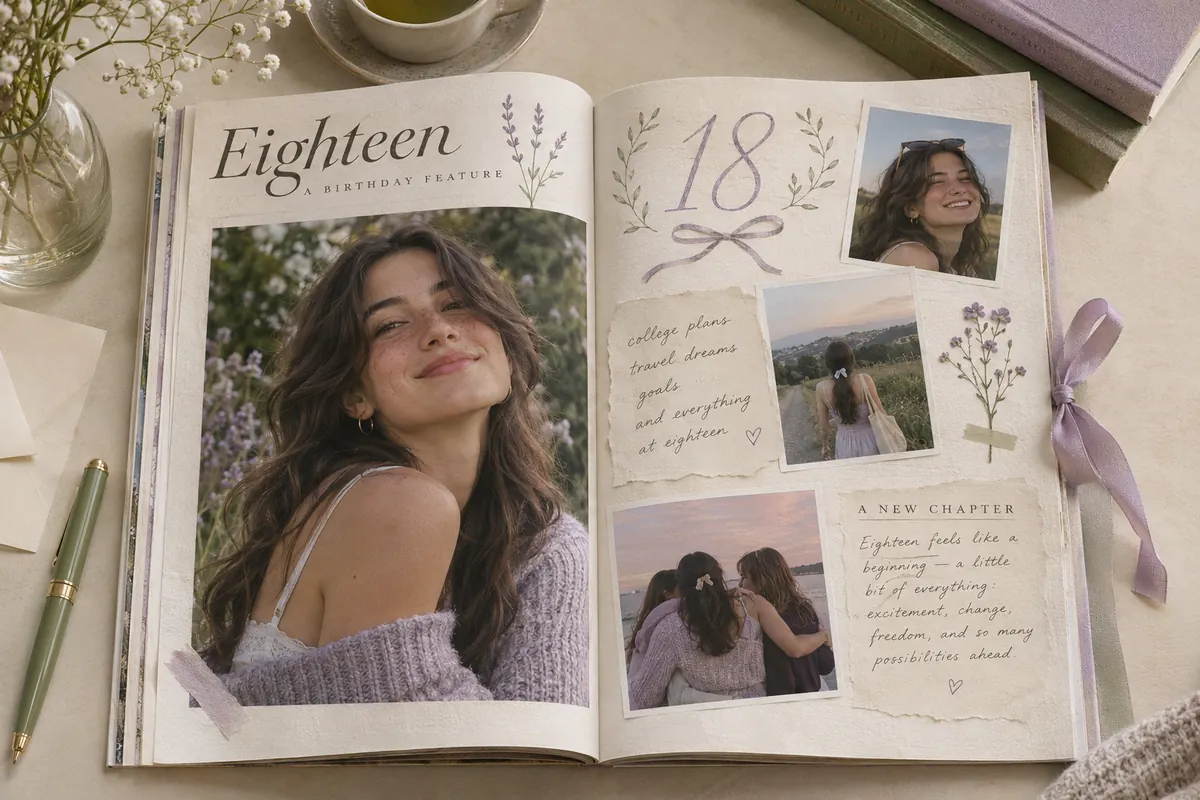
An 18th birthday magazine can feel like a real magazine and still be personal enough to keep for years. Start with a cover and an editor’s note, then mix early photos, a few stories from friends, and a page about what the recipient likes right now. End with a letter or an open space for their own plans. The 15 ideas below suit a private family keepsake, a surprise gift from friends, or a small magazine made together at the party.
Gather the stories and photos before designing
Ask each contributor for one story or one photo with a caption. “What is one small thing you always associate with them?” usually gets a more specific answer than a general request for birthday wishes. Give people a length and a deadline. Two or three sentences fit well on a shared page. Save the original photos before cropping and check names and dates while people can still help you identify them.
Decide where the magazine will be seen. A single gift copy gives you room for personal letters. A version that will be passed around the party can keep those letters in a separate envelope. Choose stories and photos the recipient would be happy to share. If the gift is a surprise, consider an especially small first print run and let the recipient decide whether there should be more copies.
15 personalized 18th birthday magazine pages
1. An editor’s letter that says why you made it
Write a welcome note that sounds like you. Begin with a real memory: the way they always chose the music in the car, the afternoons they brought home sketches, or a habit the two of you share. Then say why you wanted to make something for this birthday. Try around 100 words, with a sign-off in your own handwriting if it suits the design.
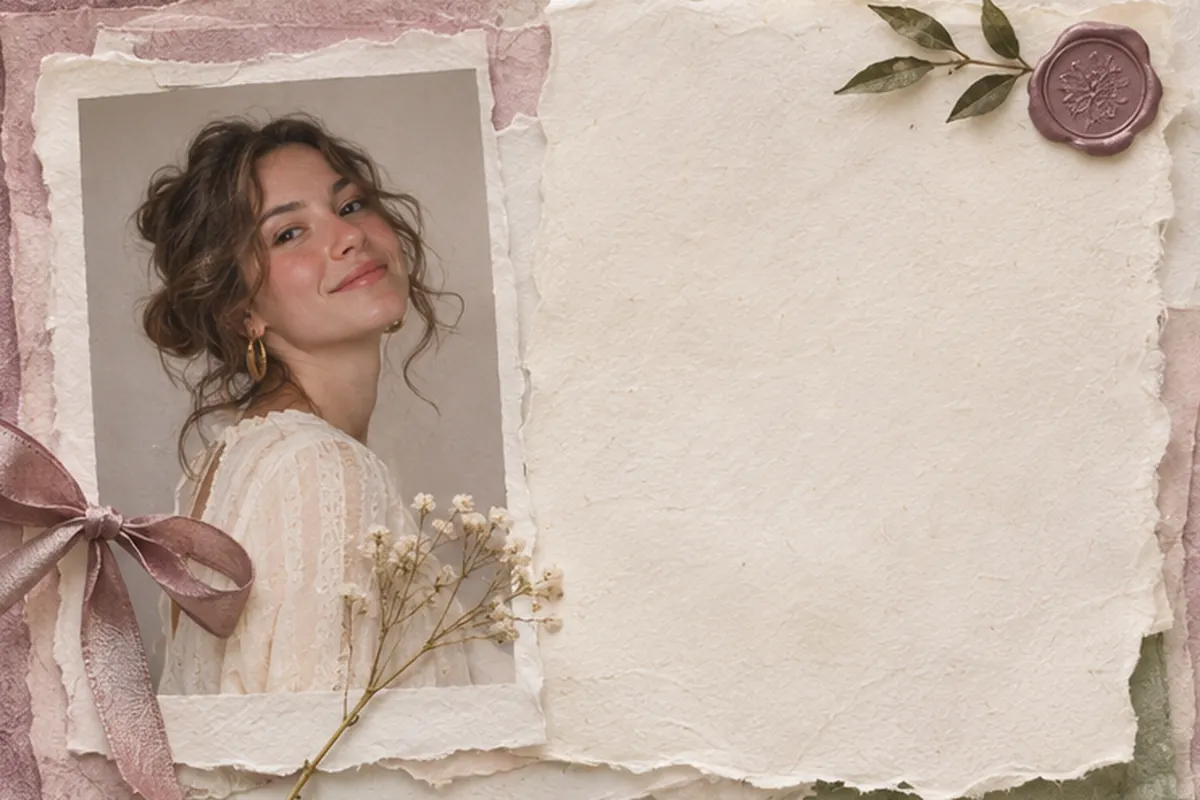
Use one portrait or a tiny photo of the moment you mention. Pick a crop that leaves the face clear and enough room for a short title. A recurring detail from this first page can come back later as a thumbnail image, a caption, or the closing line. For cover styles that fit with a simple opening, use the birthday magazine cover ideas.
2. Early childhood snapshots with real captions
Pick two or three photos that show something different. One could be a family trip, one a very ordinary morning, and one a favorite activity. Write a short caption beneath each print. If exact details are missing, ask a relative and use a year or a season when you can’t confirm the day. A caption such as “Sunday pancakes at Nana’s, when the dog always got the first one” can make a familiar picture feel new.
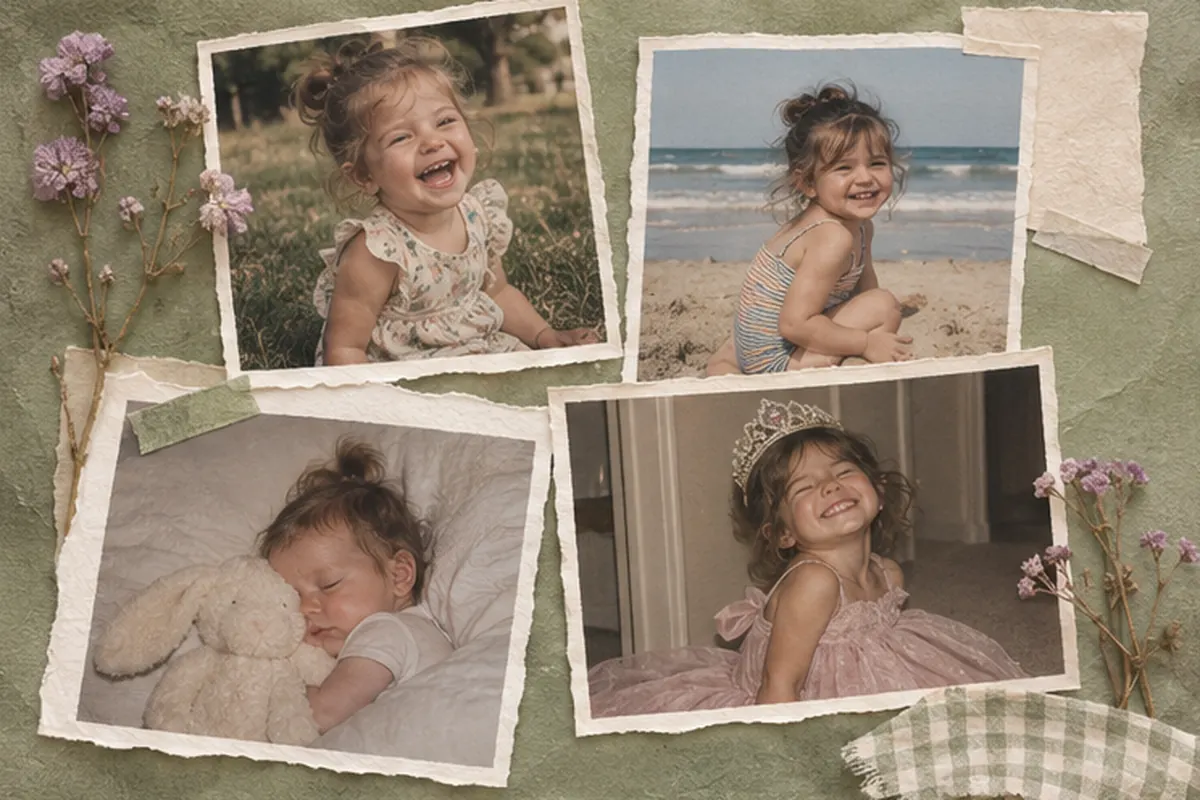
Choose affectionate photos the recipient would be comfortable looking at with others. Copies of older small prints often look clearer in smaller squares. Give them simple pale margins, and leave your largest print for a photo that still shows its details when enlarged. One description can carry the link between contrasting images.
3. A timeline with five or six chosen moments
Put the years down one side and a brief story beside each date. Mix bigger steps with smaller ones, like the first time they helped run a club, a holiday project that became a tradition, or the afternoon they found a new favorite book. Save a little space for a photo or drawing beside two entries. Use a single row for events that happened close together.
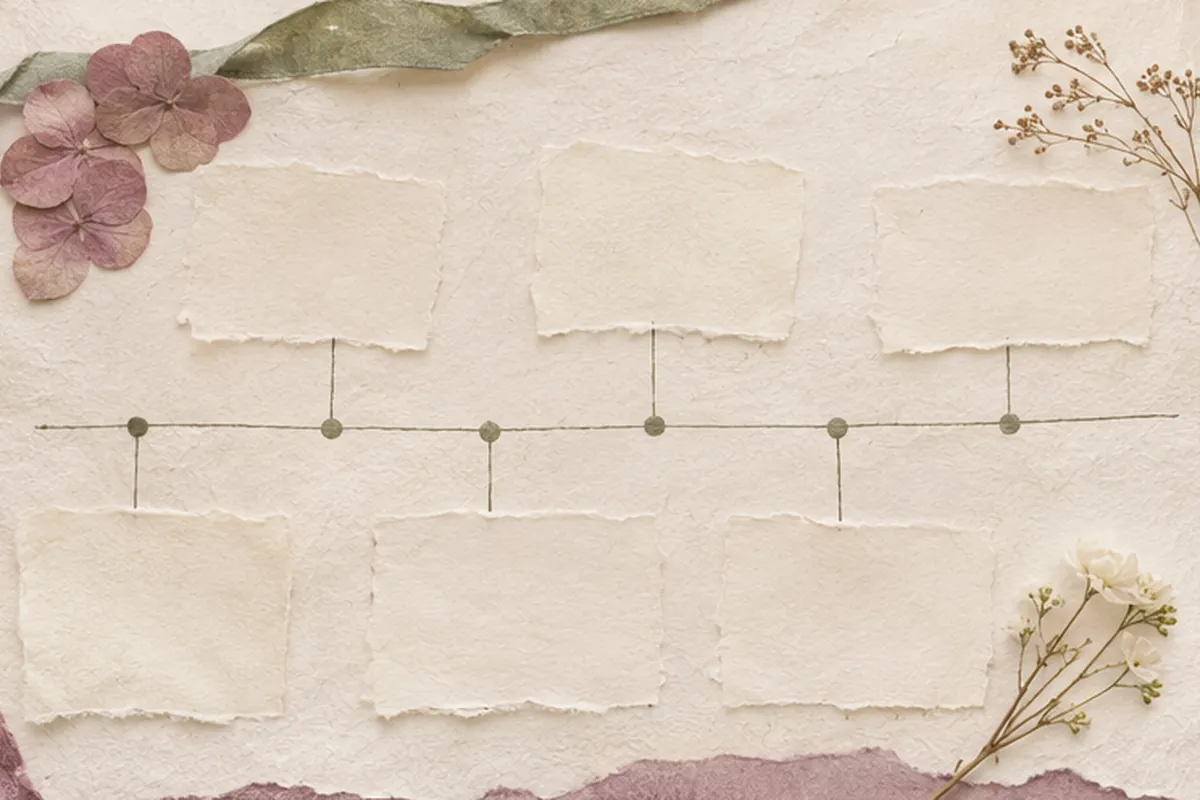
It can be easier to start with the memories and then find dates. Ask which moments they bring up on their own, or ask friends which ones the family might have missed. Give the most meaningful entries several lines and let others stay short. Another version uses the headings “started,” “tried,” and “kept doing” for a less chronological approach.
4. Eighteen favorite things right now
Choose tiny details that belong to the present: a pen, a particular snack, a song, a film they quote, a cardigan, or their favorite place to sit. Arrange the list in two narrow columns or alternate little drawings with words. You can also choose three categories with six items each if eighteen objects would be too much to photograph.
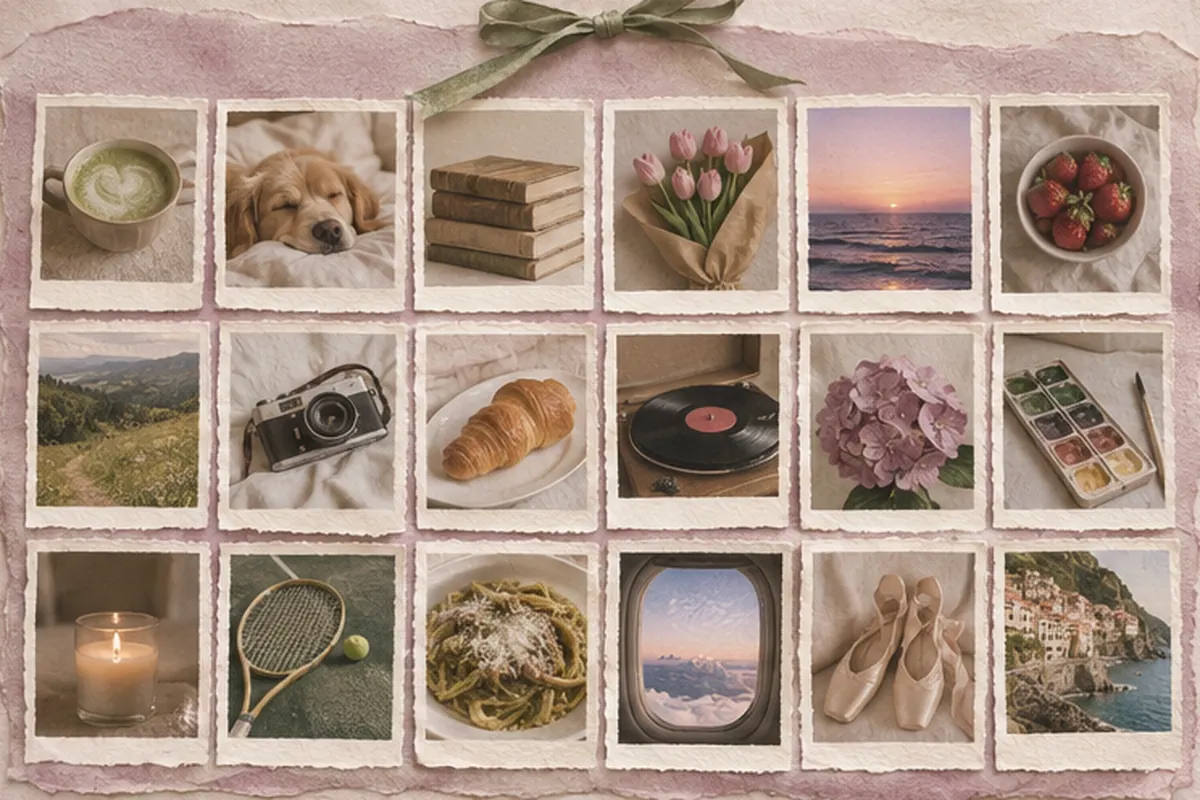
Write a reason for a few choices. “The mug they picked at a flea market and take from room to room” is more memorable than “mug.” If you’re gathering the items with help from friends, use ideas more than one person recognizes. Label the page with the year so it reads as a time capsule when preferences change.
5. An ordinary day worth remembering
Choose one day or one familiar routine. A quiet trip to a bakery, a long walk home, or afternoons around the same table can carry a full page. Add a short introduction, three beats of the day, and a photo or a drawing. Describe a sound or place rather than squeezing in every step. The detail you nearly left out may be the one that makes the scene feel familiar.
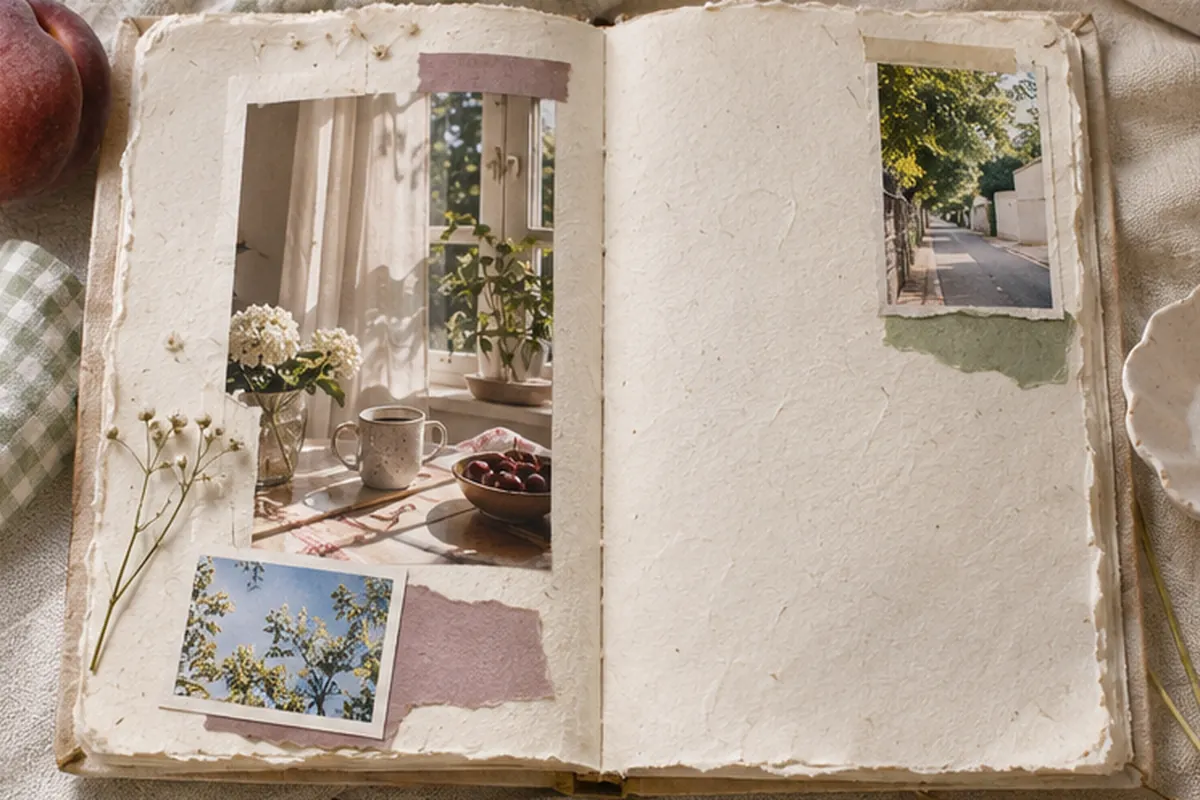
If you only have photos from different days, explain that the page brings together parts of a recurring routine. A list of times can help with pacing. You might leave a large picture at the bottom and use three small captions at the top. Keep the little details visible when the page is open.
6. Notes from friends and family
Give contributors one prompt and a short word limit. Try “Tell me about a time we laughed so hard we had to stop what we were doing” or “What should they always remember about this group?” A mix of brief stories and wishes fills a page without making it feel like a stack of greeting cards. If someone prefers to write by hand, scan their note at a size that keeps it legible.
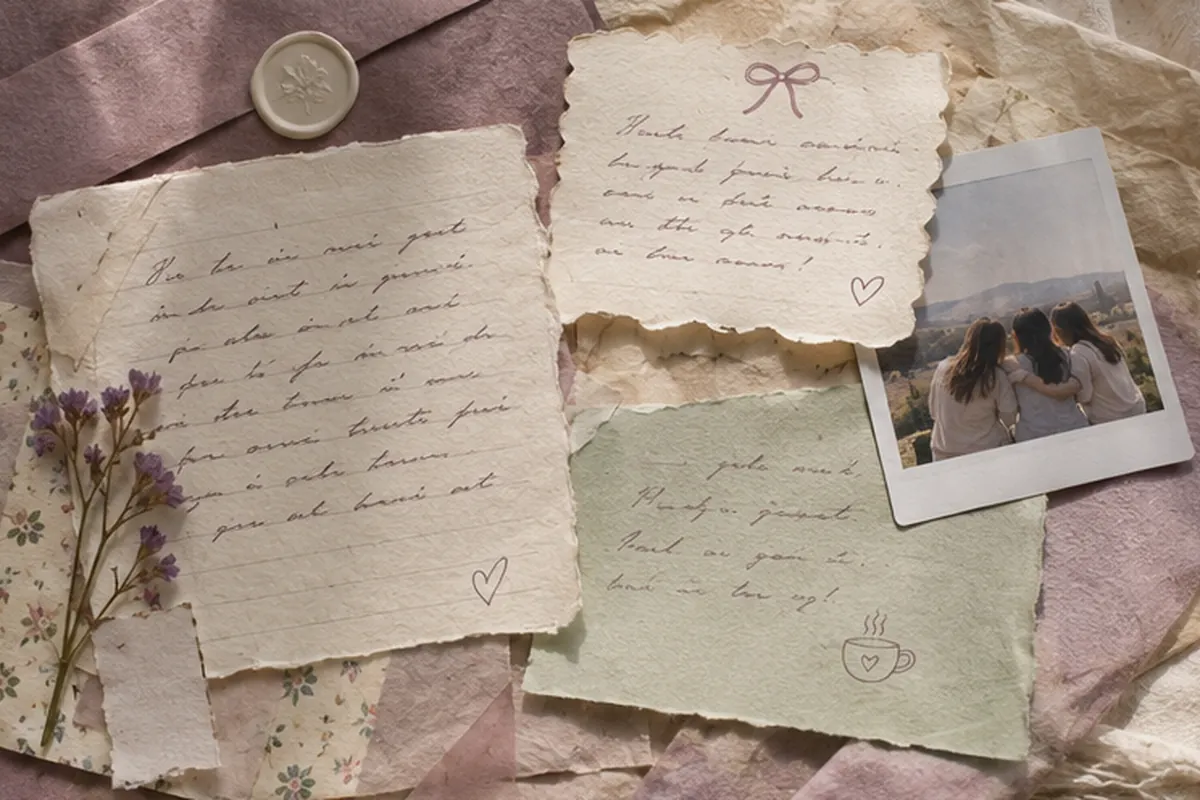
Check whether each person wants their full name, first name, or no signature. Ask early because late notes are common. Plan a spare box or a removable slip for anyone who replies after you send the issue to print. A strip of pale color beside each message can make the layout feel consistent even when the handwriting is different.
7. A recipe or favorite snack with a backstory
Feature something they actually ask for, like the cake they chose every year or the toast they make after a late practice. Put the recipe on one side and a picture or handwritten note on the other. Include the occasion or the person associated with it. Give the instructions enough room for someone to read them without squinting.
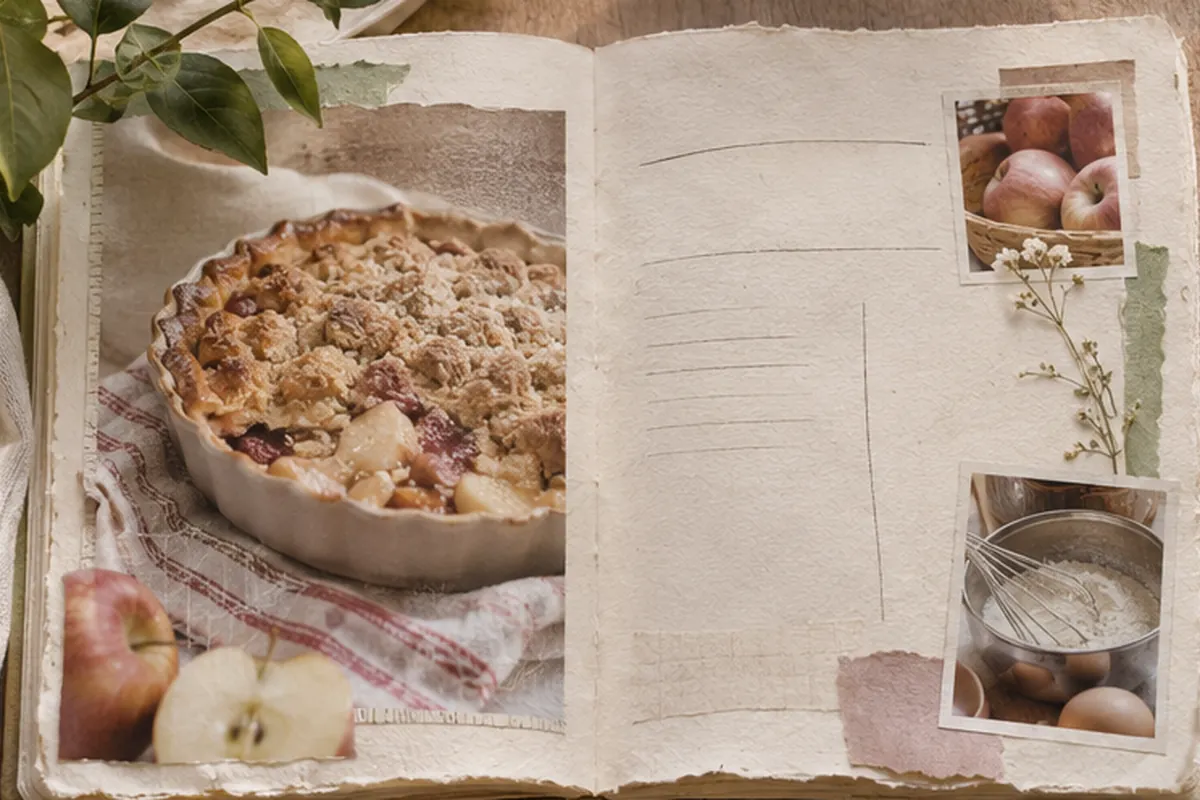
Pick a short ingredient list if you need to fit a recipe into a single page. If the recipe changed over time, note which version you are recording. A photo of a hand whisking or a messy plate can suit the story just as well as a finished dessert. Leave a blank line for the recipient to add their own version later.
8. A playlist with a reason for each song
Choose six or eight tracks and write the song title and artist in a simple list. Beside selected tracks, explain what memory or person connects to them. If one song has an inside story, use a few extra lines for that entry. A flat drawing of a headphone or a record sleeve can set the tone without needing copied cover art.
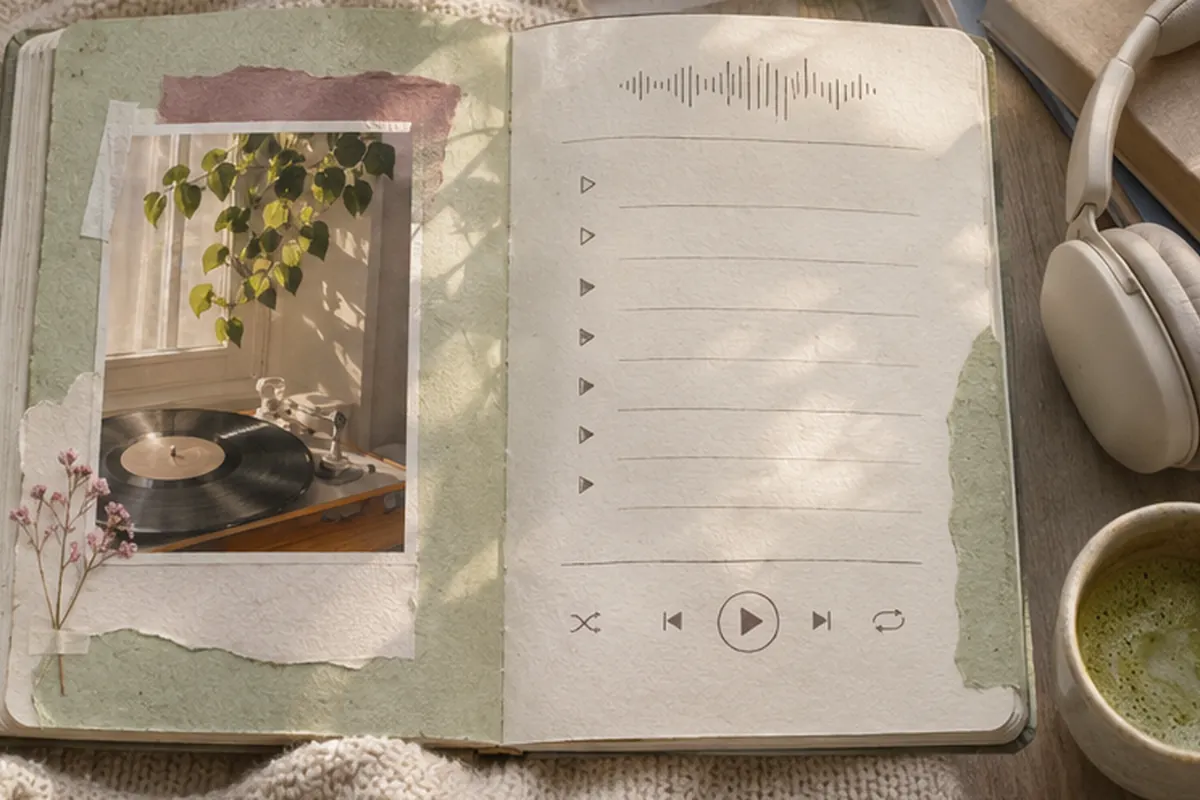
You can add a link or QR code if the playlist is easy to access. Print it at the planned size and scan the proof. Keep the written song list even when you use a code so the page stays readable if the link changes. Leave room for one song the recipient can add once they open the magazine.
9. A short interview in their own voice
Pick five conversational questions. Ask what they like doing on an unplanned Saturday, whose advice they remember, or what they want more time for this year. Leave room for a surprising answer. Keep their expressions when editing unless they ask you to change them. Put the questions in bold and allow a full line between each answer.
For a surprise gift, interview a sibling or a friend about the time they spent together. Label the perspective clearly. If you plan to pull a few lines from earlier notes, ask the author before using them. Keep any stories that are deeply personal for a copy that goes straight to the recipient.
10. A photo essay in three frames
Choose one large photo and two small detail shots from the same moment. A wide photo can establish the place, a second show a person reacting, and a third show something somebody held or wore. Give the pictures short captions that add information you cannot see. Keep faces and writing out of the magazine fold when a photo extends over both pages.
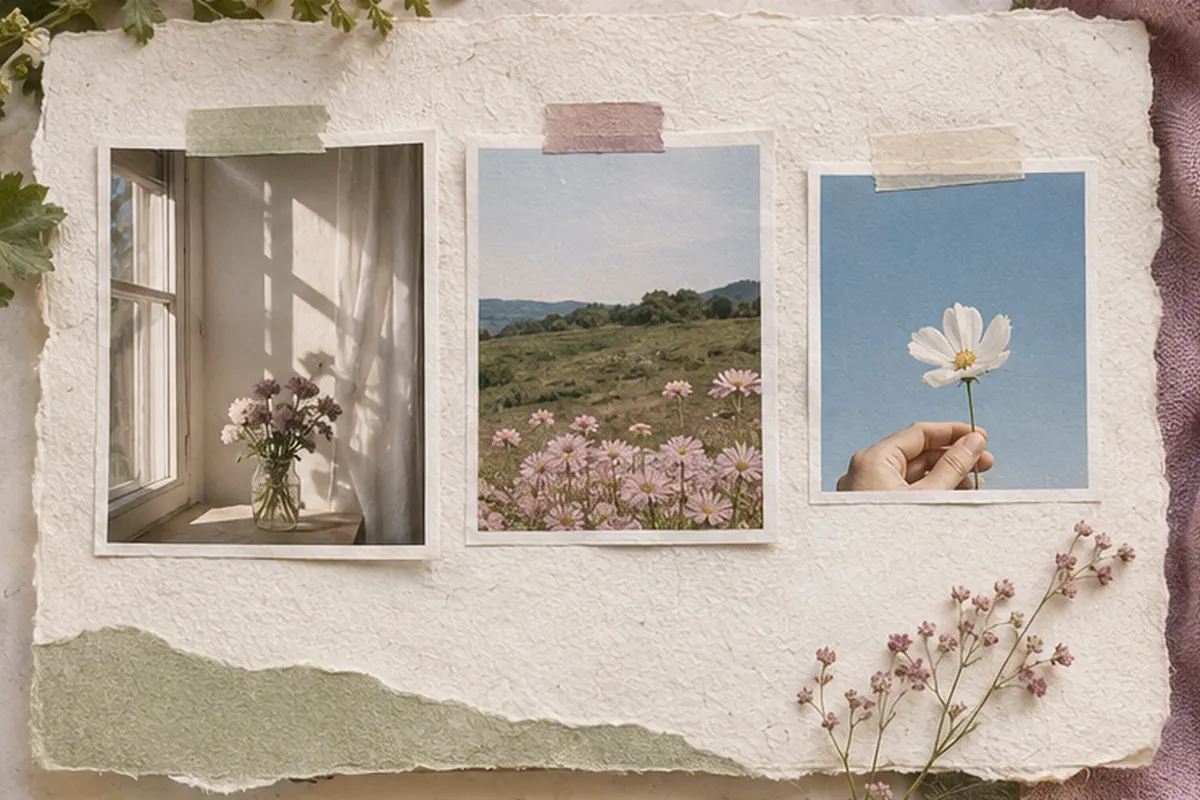
If the photos come from three different years, look for a repeating object or location. A detail such as the same guitar in several rooms can tie the series together. Check your original files before giving the main picture most of the page. Browse the 12×12 scrapbook layouts for more ways to combine wide and small photos.
11. A friendly birthday quiz
Make five small questions about interests, familiar phrases, or shared experiences. Ask which film quote they repeat or which snack they would pick on a trip. Give two or three plausible options when the question is too hard for anyone outside an immediate friend group. Print short answer lines if you want people to write in the magazine.
Put the answer key near the back or upside down in a slim margin if it remains readable. Avoid using questions the recipient would find embarrassing, and skip facts they might prefer to keep private. For a party version, print a few spare quiz sheets so guests can play without writing in the gift copy.
12. A letter to open in the future
Give the recipient a page or an envelope for a letter to their future self. Provide a starting prompt, such as “What feels important this month?” or “What do I hope I still make time for?” Put the intended opening year at the top and let them choose how much to write. A short letter from you can sit on the facing page.
Use a thin envelope or a simple folded page if you’re making a small stitched booklet. Put bulky additions with the gift separately so the magazine can still close cleanly. If the recipient wants privacy, leave the envelope unsealed and the paper removable. The page can be part of the gift without needing to be shared at the party.
13. A few things people learned from them
Ask a small group to write down something the recipient taught them. It could be how to be a good listener, how to repair an old jacket, or the name of a book everyone should read. Give each lesson a heading and a short example. This makes a compliment specific to an occasion rather than asking people to describe a whole personality in one adjective.
14. A note about what comes next
Build the page around interests and hopes the recipient has mentioned. Leave a few open lines for plans they choose later. A school, new job, trip, or creative project can be part of the spread if they want that detail included. Keep it flexible enough to reflect a year that goes in a different direction.
15. A back cover with a familiar detail
Choose a photo or drawing that quietly echoes the first page. It might be a view from the kitchen table, a pair of skates, or the back of a well-loved paperback. Add the issue date, one small dedication, and contributor credits where people want them. Check that writing sits clear of any edge the printer will trim.
Put the pages in order for a short printed issue
For a 12-page magazine counting the covers, put the editor’s note on page 2 and a portrait or childhood photo on page 3. Use facing pages 4 and 5 for a timeline or photo essay, pages 6 and 7 for favorites and the playlist, and pages 8 and 9 for messages from friends. Save page 10 for the quiz, page 11 for a short letter and the answers, and page 12 for the back cover. Test the order on three folded ordinary sheets. For more general layout choices, see the birthday magazine page ideas.
Read the captions out loud before exporting. Check the names, spelling, and dates, then proof the smallest text at the printed size. For a shop, ask how they want pages supplied. For home booklet printing, use the booklet option in your printer or PDF viewer if available and check which way your paper turns. The birthday magazine tutorial walks through the rest of the assembly.
A simple style for the cover and inside pages
Pick one accent color you know the recipient likes and give it a recurring job. Use it in the issue number, a paper border, or the short line under each page title. Keep body text in one dark color so the captions stay legible against the photographs. A large “18” works well when it has space around it and a short title beside it. A name, month, and year are enough for the rest of the cover if the photo already tells the story.
Inside, repeat one layout for photos and one for text. Let the large portrait take nearly a page, and place captions in a consistent position on smaller photo pages. For notes from friends, reserve room for the name as well as their words. Keep the fold quiet by leaving any small text, faces, and marks you need to read well away from it. Print the cover, the letters page, and a photo page as your first proof so you can see how the main styles behave before printing the full issue.
Frequently asked questions
How many photos should I gather?
Start with a cover portrait and about ten options for the inside. Pick a few with a clear subject and a few details. Give the strongest photo more space instead of forcing several similar versions onto a page.
How can I make the magazine feel personal if I only have one evening?
Write a short opening letter, choose six photos with real captions, and ask two or three friends for one specific memory each. Arrange the content in a simple layout and leave space at the back for a handwritten note.