Birthday Magazine Ideas for Your Boyfriend: 12 Thoughtful Layouts
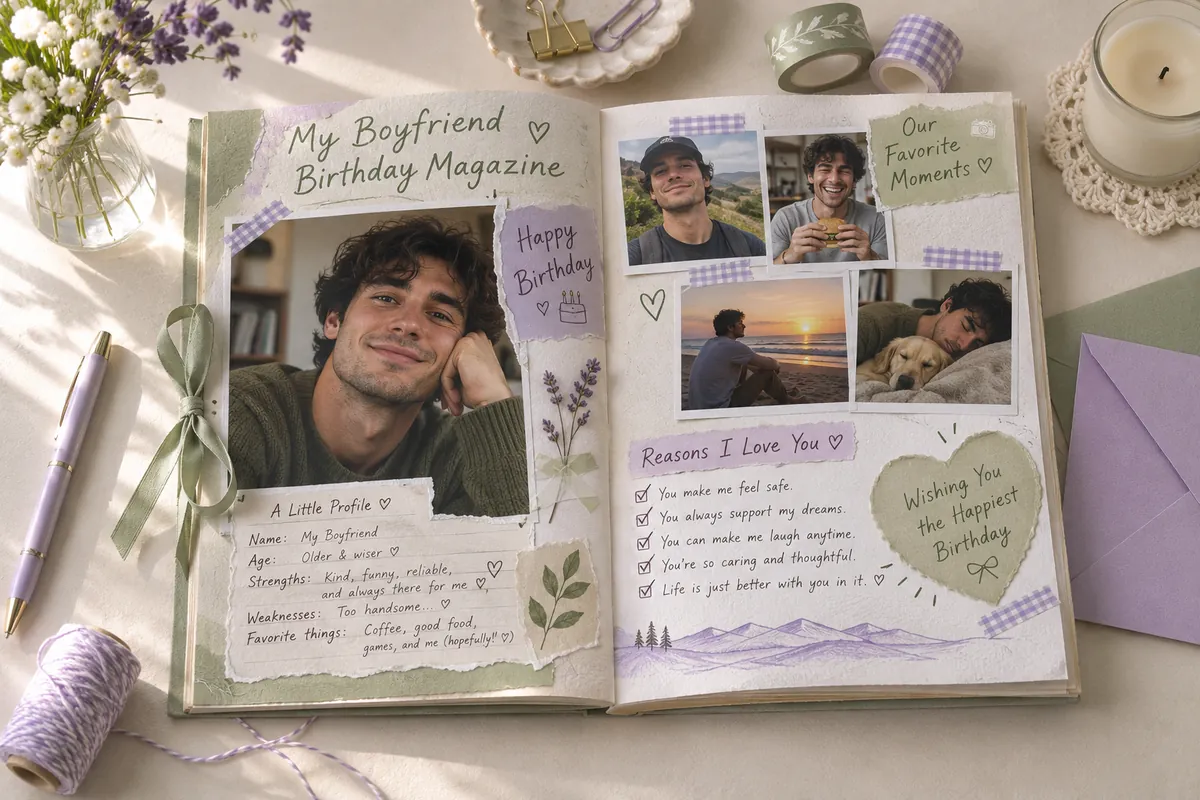
A birthday magazine for your boyfriend can turn photos, little routines, and the stories you still tell into a gift he can keep. Start with a short letter and a portrait, then mix things he likes with memories you share. Finish with a quiet page he can read on his own. These 12 layouts work for a new relationship or a longer collection, and most need only a photo or two and a few lines of writing.
Choose the stories you want the magazine to tell
Start with six to ten pictures you both like. Make a short list of details beside them: where you were, what the weather was like, or why an ordinary moment became memorable. The magazine will feel more personal if it includes some details about him independently of the relationship. Pick an interest, a familiar snack, a person he trusts, or a way he spends his free time. A smaller issue with enough room for those details can read better than a thick album of similar pictures.
Decide where the magazine will be seen before you collect notes. A gift he opens alone can include a longer personal letter. If you plan to set the magazine out for friends, choose stories he would be happy to share and put more private material in a loose envelope. For colors, framing, and headline ideas, see the birthday magazine cover guide.
12 thoughtful birthday magazine layouts for your boyfriend
1. An opening portrait and editor’s letter
Choose a photo that gives him room to look into the page, or use a casual picture with enough open space around his face. Write a short editor’s letter across from it. Start with something specific, such as a song he always queues when the two of you get in the car or the way he checks whether everyone has a seat before sitting down. Then write one or two lines about why those details made you want to put the issue together.
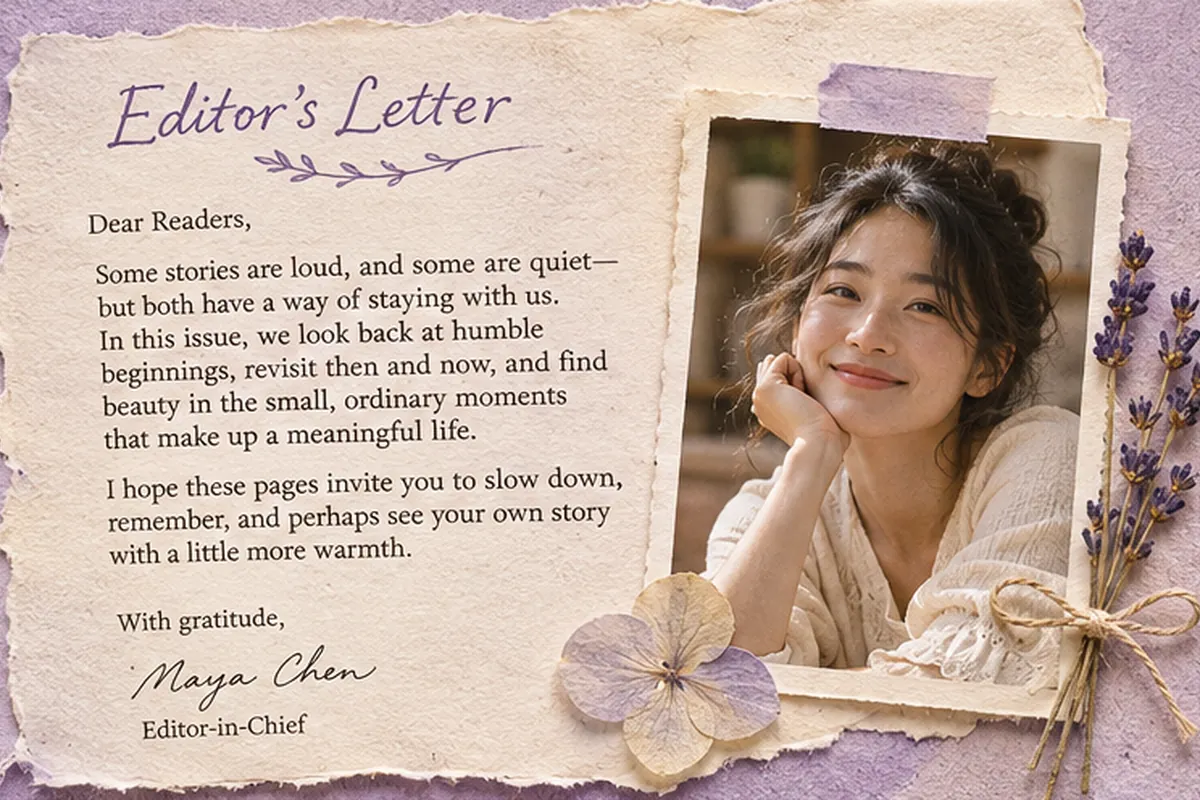
Keep the first page comfortable to read. A generous margin and an ordinary sign-off by hand work well when you want it to feel like a letter. A note of around a hundred words can leave you room to keep one of the best stories for later. Round up dates and names before printing so the first page feels finished even if the photos come from different years.
2. A memory from the early days
Pick a moment from the first conversations, dates, or time you were becoming friends. Use a photo from around then, or use a picture of a place or an object you associate with the story. Give it a narrow caption with what happened and why you still think about it. Use a small date range if you do not remember the day.
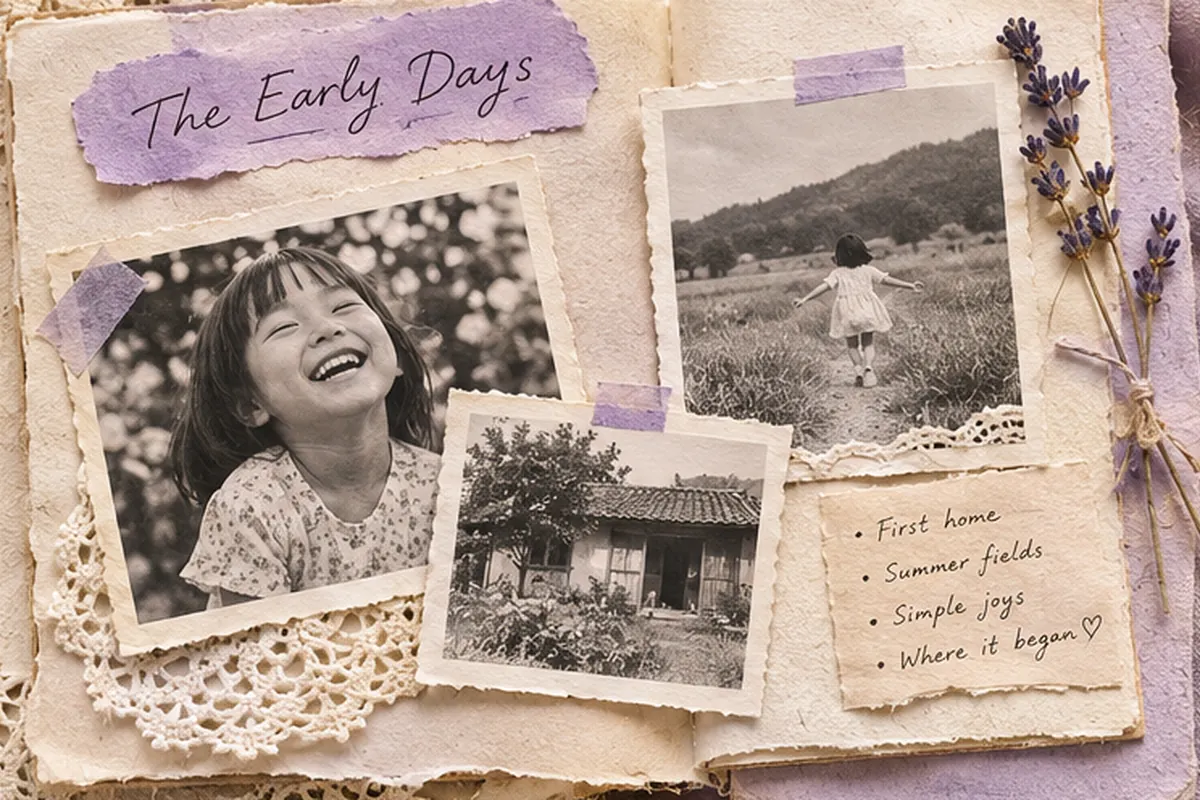
Leave room for his version of the story if you think he would enjoy writing it. A caption like “I remember the rain starting once we sat down” can invite a different memory without asking one of you to be right. If the story is private, share the written lines in your own copy and use the magazine page for a favorite photo or a shorter caption.
3. A then-and-now photo pair
Pick two photos with a connection you can explain. It might be the same breakfast spot in different seasons, a favorite jacket, or two snapshots from the first and latest times you took a trip together. Align the pictures under one heading and include a date or clue under each. Give both pictures a similar size if the contrast is the main point.
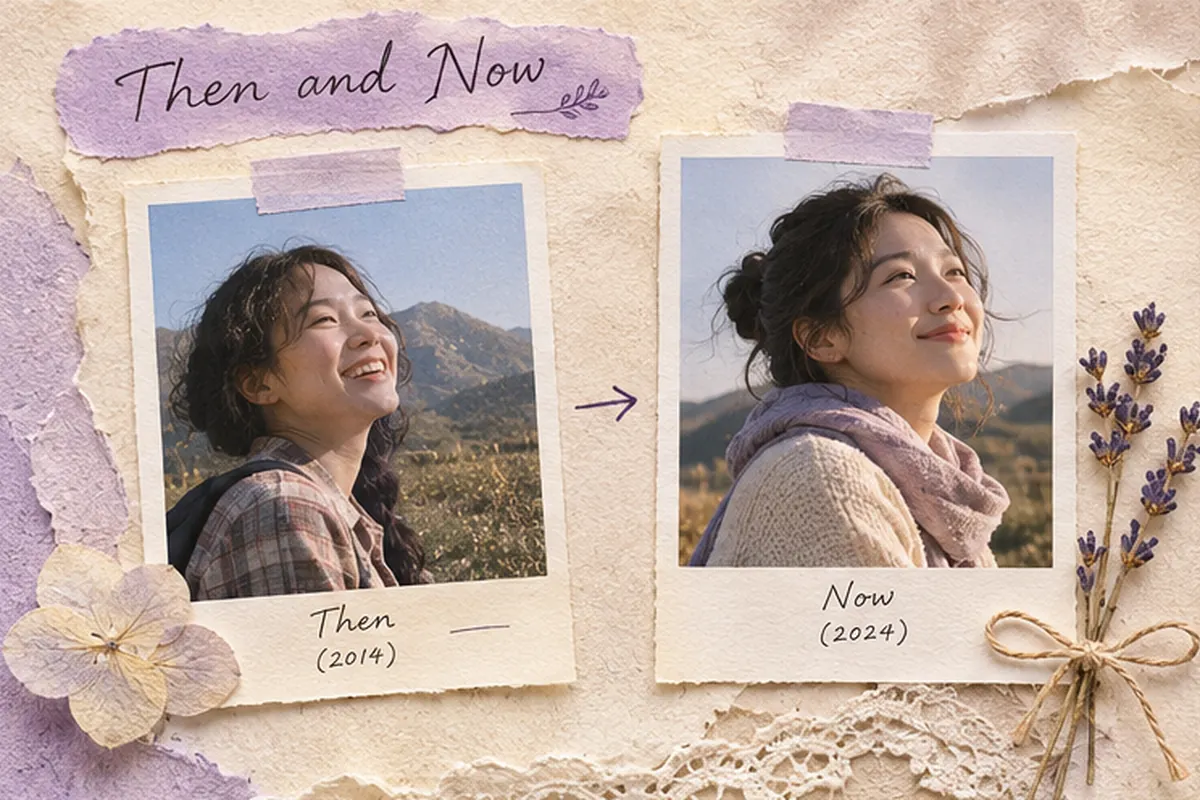
A quiet caption can recognize the time between them. Write about what the two of you still do, or something he has become more comfortable doing. A similar mat or edge treatment makes different picture qualities feel deliberate. Use small photographs if the older file is blurry at full size. These anniversary scrapbook layouts have more paired-photo and shared-memory ideas.
4. A photo story about an ordinary day
Tell one small story with three pictures: where you were, something that happened, and where the day ended. If one picture does not exist, use a caption, a drawing, or a flat copy of a receipt to bridge the gap. Leave some breathing room around the middle detail. An ordinary day works because the two of you may remember the smells, conversation, or change of plans when you see the pictures together.
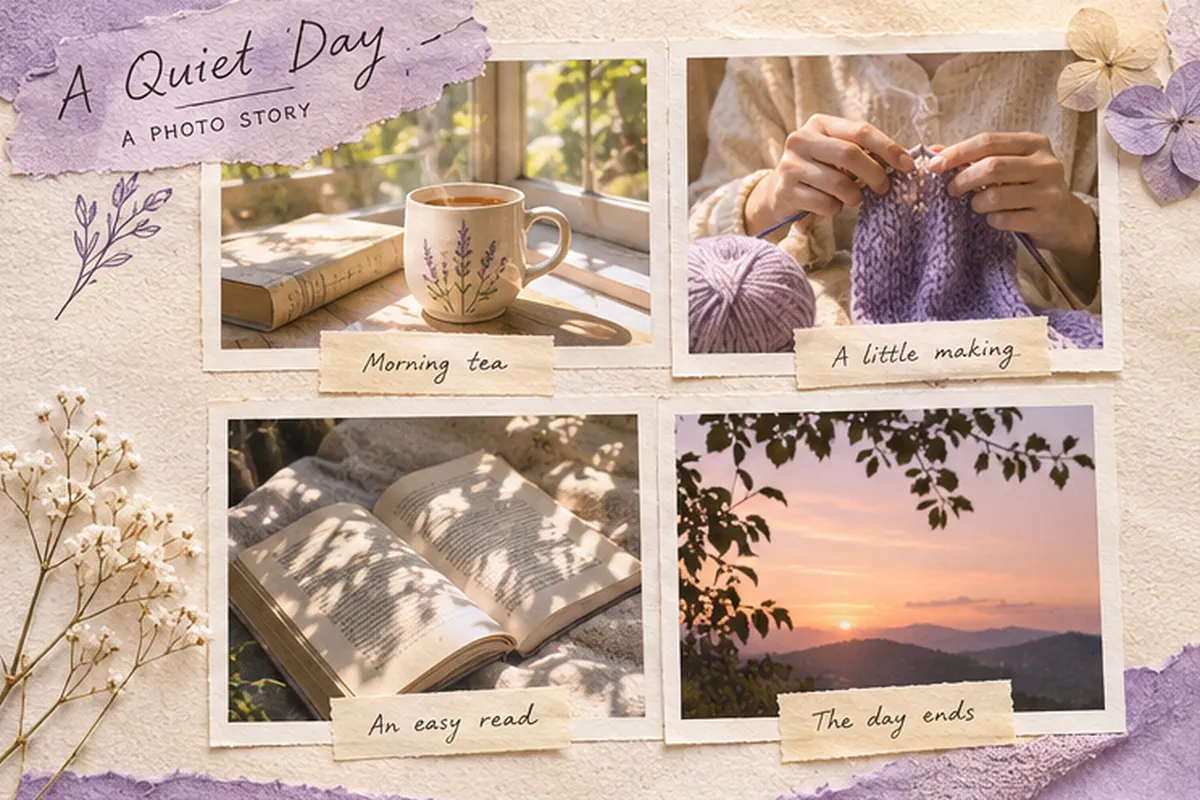
Write captions that take the story forward. Try “we walked the rest of the way because the bus window fogged up” instead of naming only the road. Use a page title that sounds familiar to you both. If pictures came from different days, call it a collection of Sunday mornings or another honest description.
5. A few of his favorite things
Choose things he can recognize at a glance: a worn paperback, the pen he lends out, a favorite mug, or a jacket with a pocket he always uses. Photograph them separately or put a few of them together. Add a short line naming the thing and why you think of him when you see it. A single collage can carry five or six details without needing a long list.
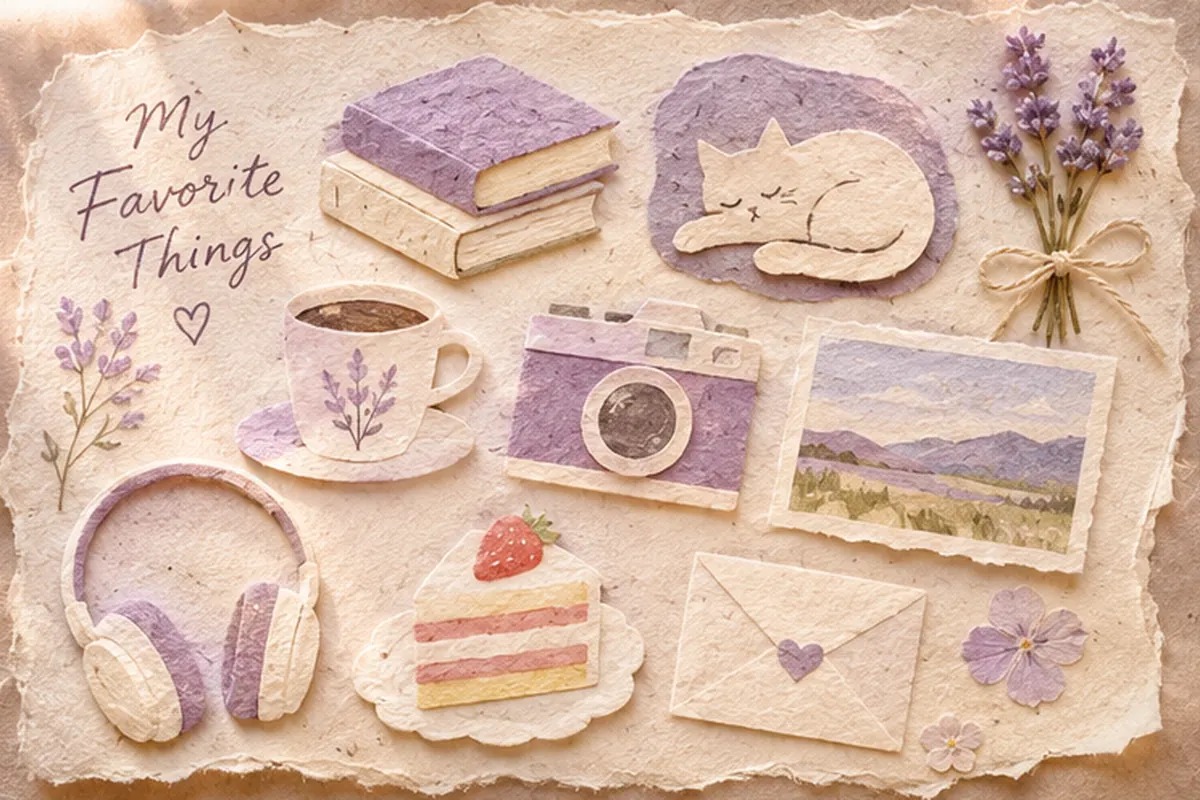
Keep the selection current to this year. A gift like this can also preserve tiny preferences that will change later. Give extra space to a photograph if the object itself has a story. Put things you would struggle to photograph into a little handwritten list at the bottom. Leave a blank line if you want him to add a favorite after reading it.
6. A playlist with personal captions
Choose six songs and record the title and performer. Beside two or three, write the reason they are here. One might recall a trip, and another might be a song he made sure you heard all the way through. Use your own drawings of a record, ticket, or speaker to decorate the page. The choice of song and caption matters more than a full illustration beside every line.
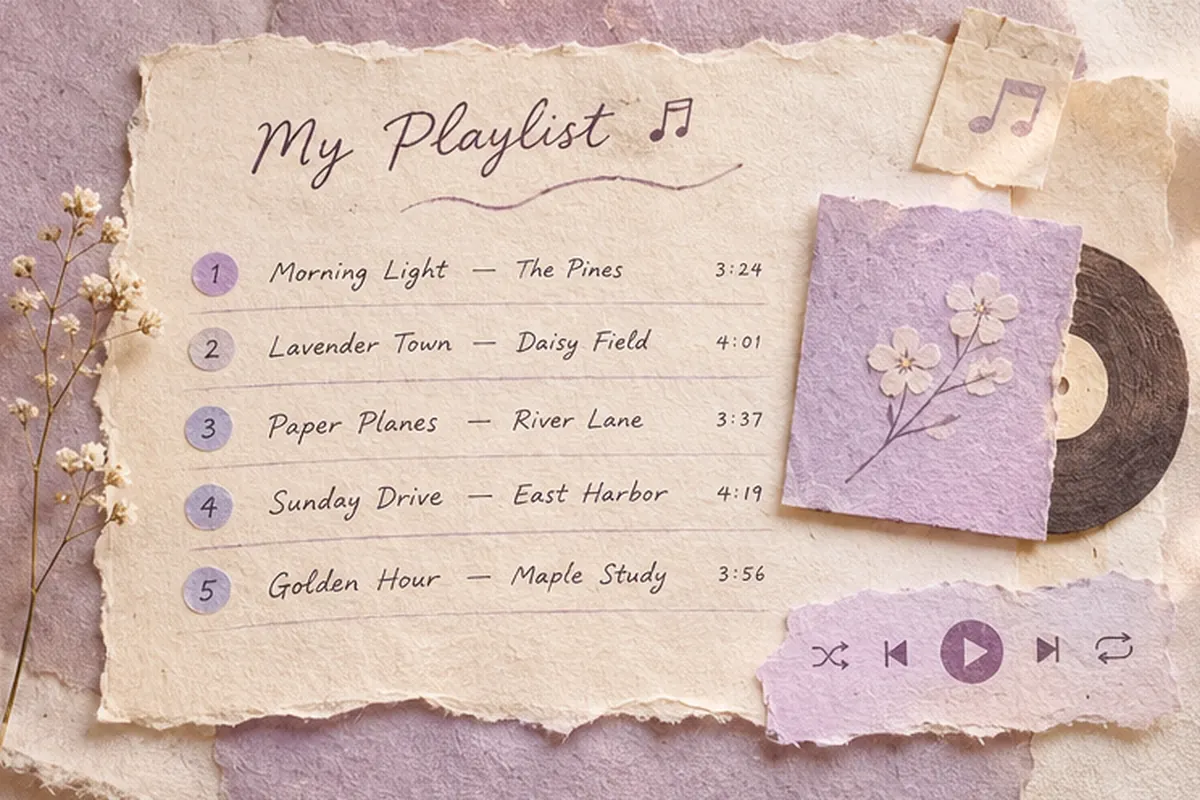
If you want a playable version, add a link or QR code and try scanning it from the printed proof. Keep the song list readable without the code. A narrow column leaves space for a small portrait or a short line about what he usually plays first when setting the mood for a gathering.
7. A food memory or favorite recipe
Use a real favorite such as the noodles he always orders after a late shift, the cake he asks for each year, or something funny the two of you learned to cook. Write the memory first, then decide whether there is room for a recipe, a photo, or a little sketch of the place you ate it. A dish you still share can make an easy page with one picture and a caption.
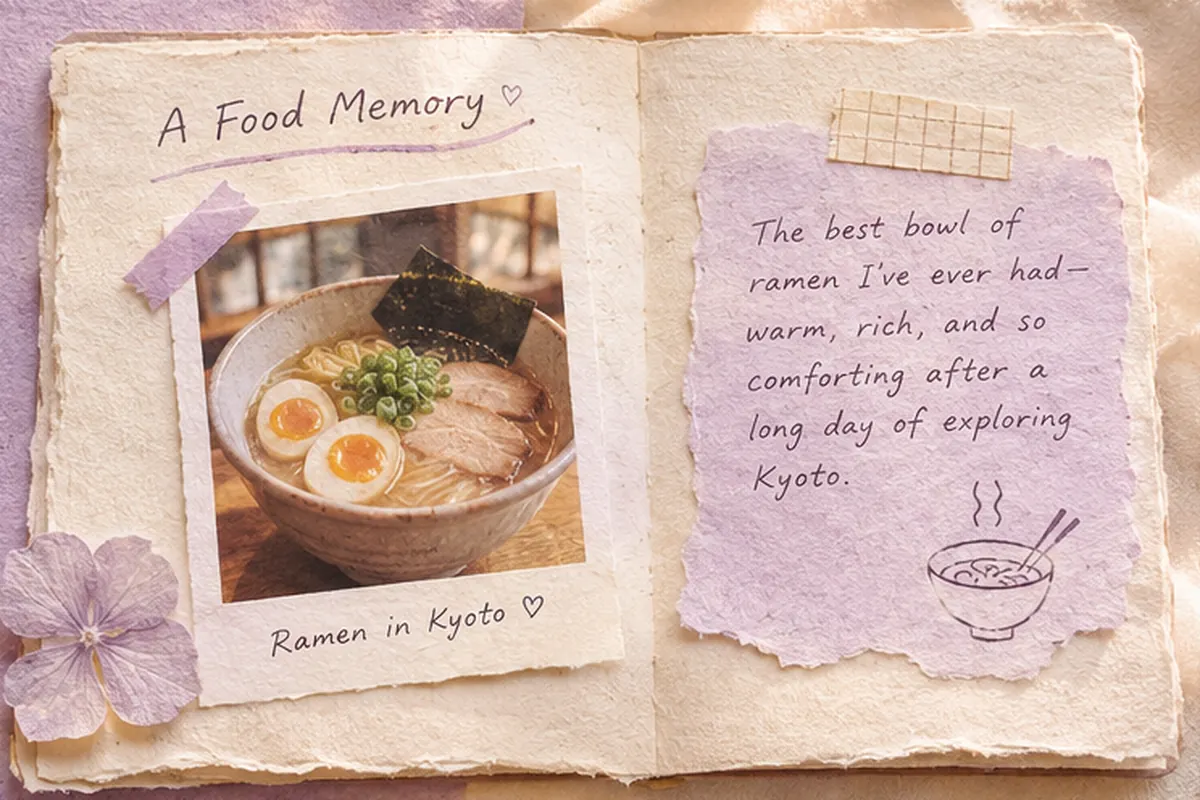
If you include a recipe, keep the instructions readable and check the amounts. Leave his name off any copied restaurant paper if you will show the magazine to other people. You can put an original short menu in a paper pocket and keep the magazine page uncluttered.
8. A map of one shared trip
Choose two or three places that matter to a particular day. Draw a simple route or arrange pictures in the order you visited them. Use a short label such as “first stop after the rain” or “where we found the market.” A little dot and a line are enough to connect the locations. Broad place labels work well for a magazine that will be passed around.
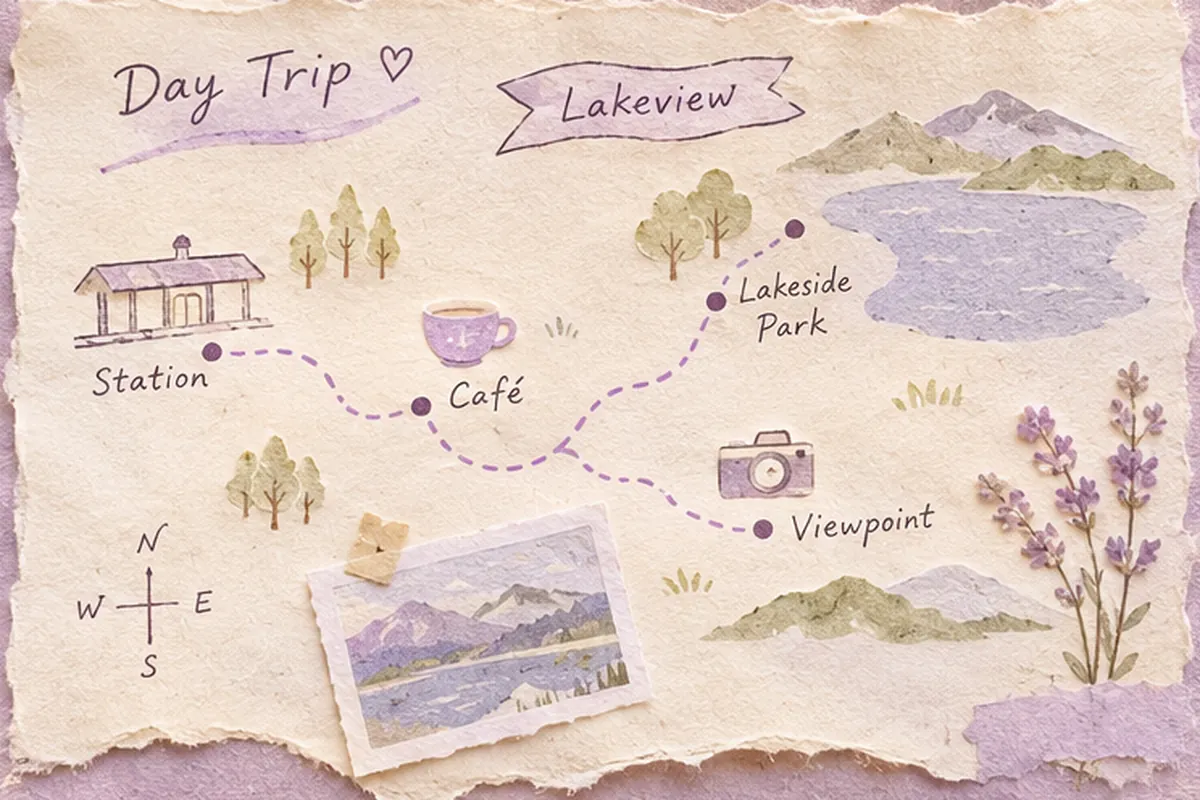
You can use this layout for a walk close to home when you don’t have travel pictures. A small set of doorways, a parking spot, or a photo of a cafe window may be enough. Put a single sentence about what you noticed on the facing page. If the exact route is complicated, keep only the stops needed to tell the story.
9. Short notes from people he cares about
Ask a few friends or family members to contribute two or three sentences. Prompt them with one specific question, like “What is a small thing he does that makes a day easier?” Ask what name they want printed. Give notes similar widths on the page so the design still works when one is longer than others.
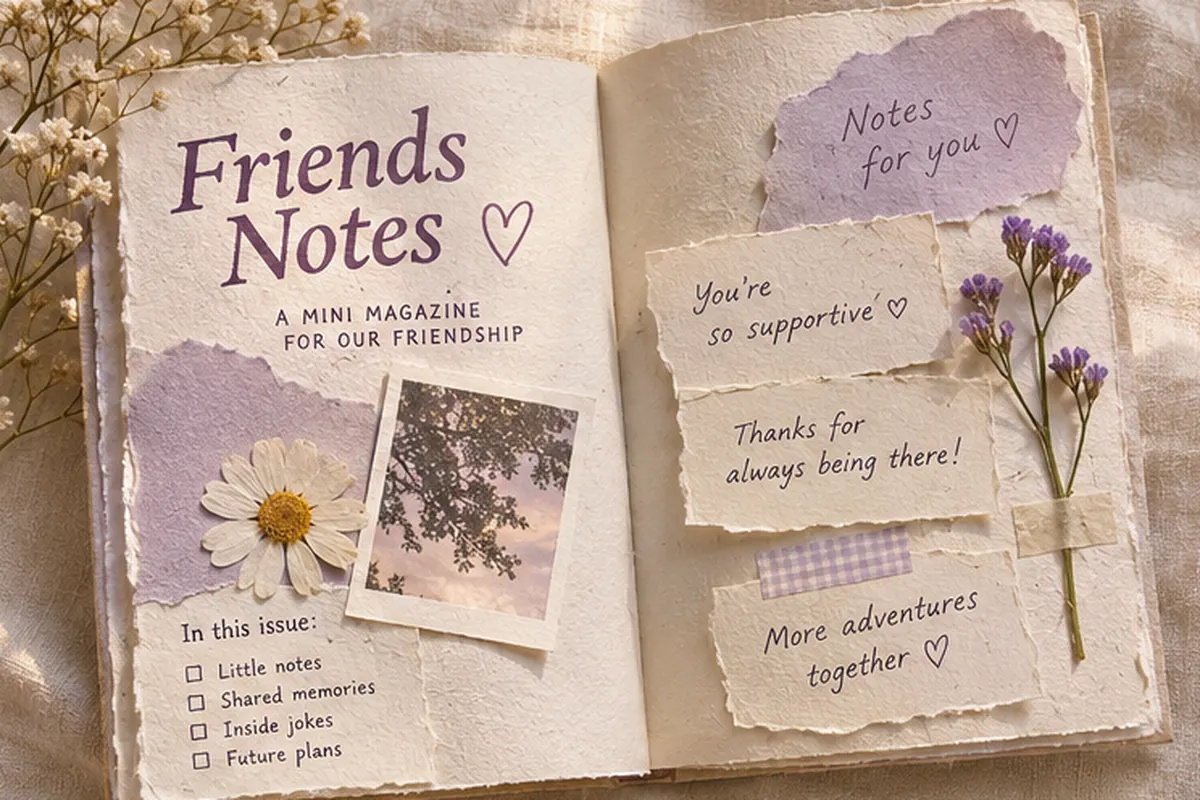
If you are making a single gift copy and someone adds a personal note, ask whether they want it sealed separately. Leave a place for one late entry rather than waiting to design the entire issue. Use a note in its original handwriting if you can scan it at a legible size. Type it beneath the scan if you want to preserve the handwriting and make it easier to read.
10. A short interview or question-and-answer page
Ask simple questions about favorite routines, small ambitions, or things he likes to make time for. Put questions in a slightly larger or bolder style and keep the answers in his own words. For a surprise, interview a friend about a shared hobby or an ordinary day together. Explain at the start whose perspective the reader is getting.
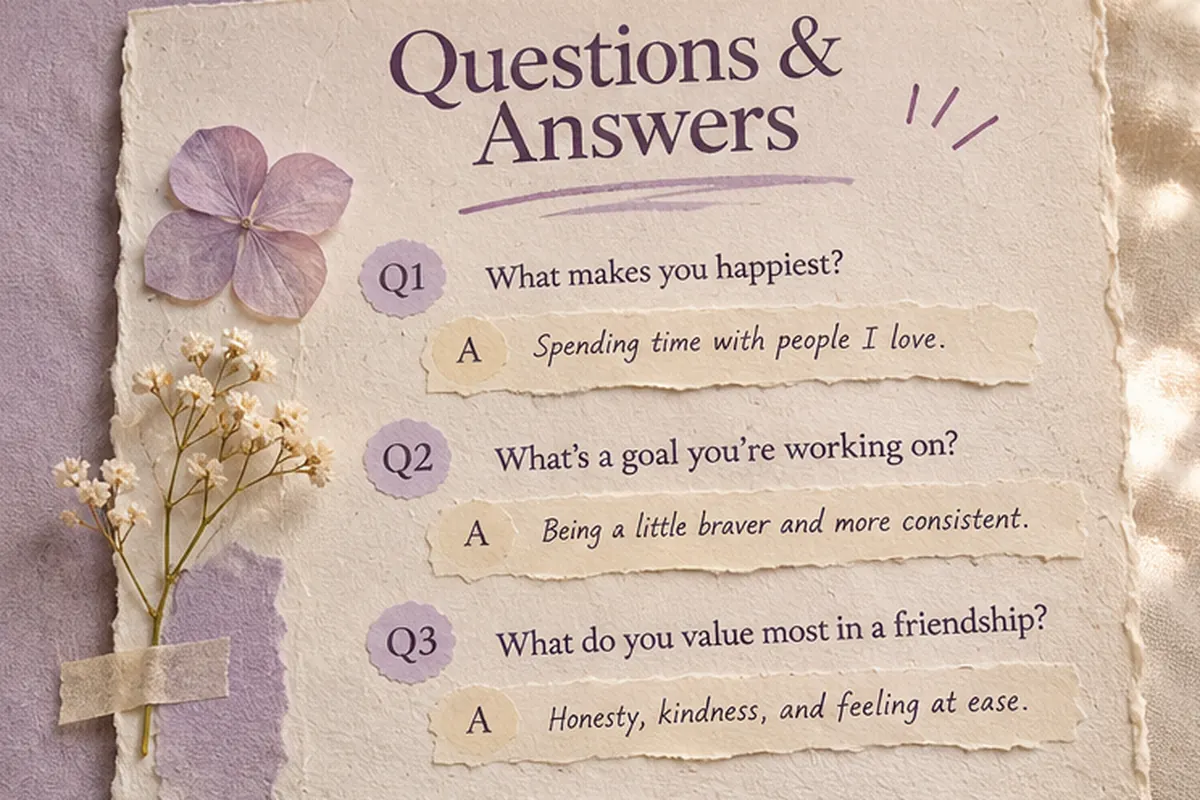
Try a two-column page for a series of short answers. If one answer becomes a story, give it a wider column or a page of its own. Leave enough space between questions to read comfortably at the final size. For more general ways to arrange an interview, see these birthday magazine page ideas.
11. A light birthday quiz
Write a few questions about ordinary preferences or memories you would both enjoy revisiting. You can ask what he eats first from a shared snack plate or which movie line he repeats. Include a little space to write an answer and place the answers on another page or a loose slip. If it is mainly a conversation starter, leave a final line open for him to add his own question.
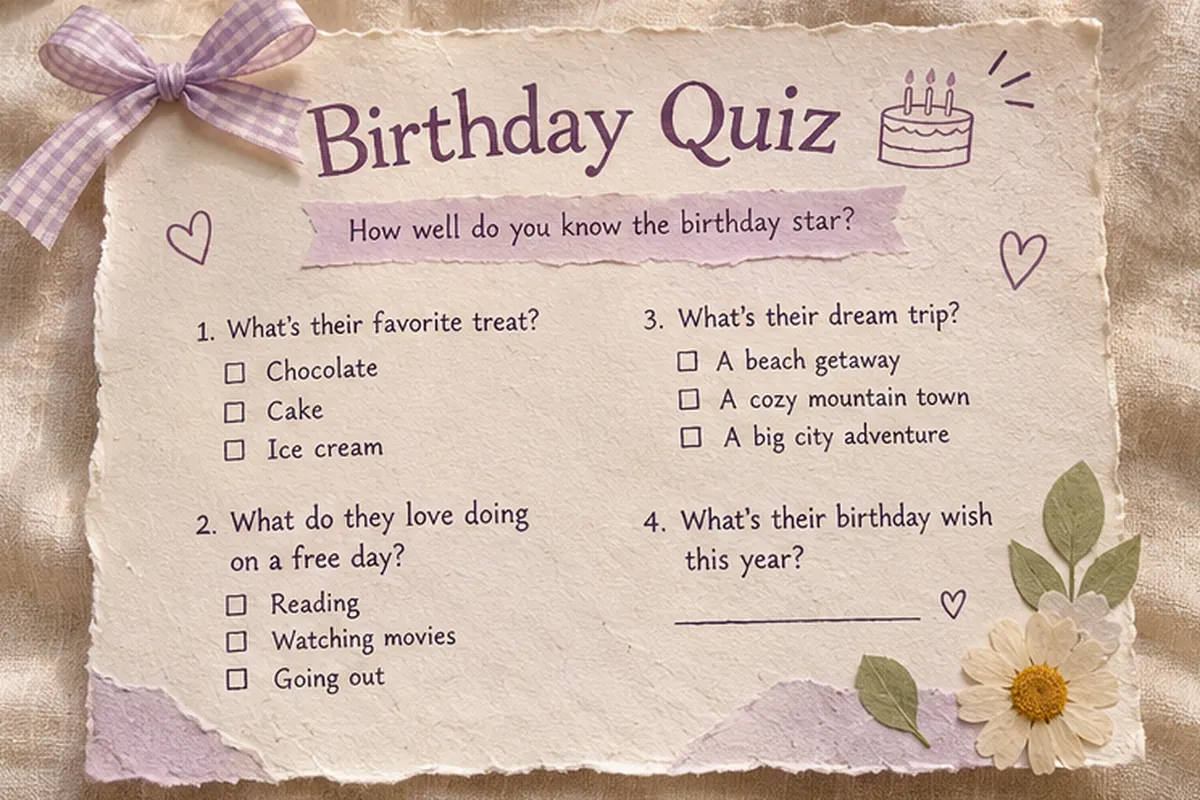
Avoid making anyone pass a test of how well they know him. For a small party, use easy multiple-choice questions with choices that make people smile. The goal is to bring up stories. For a private gift, one handwritten question in the margin can work when a full quiz feels too formal.
12. A future dates page and a closing letter
Add a handful of short ideas you could both choose later, such as making breakfast on a quiet morning, browsing a bookshop, or returning to a spot you liked. Let the ideas be optional and leave a few blank cards so he can add his own. A thin envelope clipped to the final page can hold them without making the book hard to close. Put the longer letter in a separate envelope when you want it to stay private.
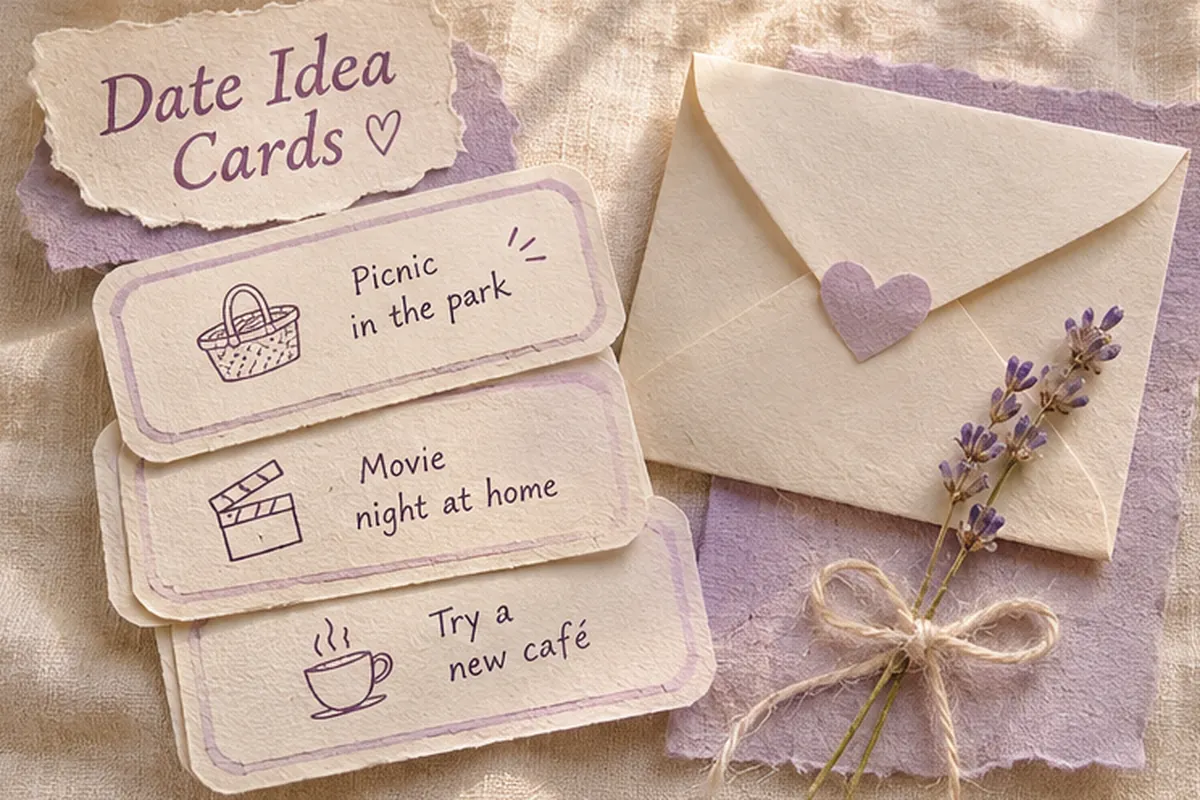
Close with something that echoes the first page. If the issue opened with a story about car music, the last lines might mention the next trip you want to take. A date and short handwritten signature can make the page feel finished. For help making a folded issue, use the birthday magazine assembly guide.
Put a 12-page issue together
Counting covers, use page 1 for the cover, page 2 for the letter, and page 3 for an early photo. Put the ordinary-day photo story on facing pages 4 and 5, favorites and the playlist on 6 and 7, and friends’ notes on 8 and 9. Give page 10 to the quiz and page 11 to the closing letter or future dates. Page 12 can carry a small picture and the date. For a longer issue, spread out the most densely written pages with a quiet picture or small map between them.
Make a magazine with six pictures and a small budget
Look at the pictures together and choose one cover portrait, one older snapshot, three that tell a small story, and one that can close the issue. If you can make only a few pages, use one photo at full size and let the other pages breathe. You can make a good page from a short caption and a rectangular crop. Save the more expensive paper for the cover if your printer can handle it. A crisp test on ordinary paper tells you whether the pictures and captions are readable before you use other materials.
Write the captions first so you can estimate the spaces they need. Aim for a sentence that includes a place, a detail, or a reaction. If the captions look too similar, give two of them a different role. One can explain what happened first, and another can record something he said later. Give your favorite picture a quiet page if it already makes sense with a short date. A caption never has to explain the entire relationship.
Proof a small gift issue before it is bound
Fold ordinary paper into a mock booklet and number the pages. Put it beside the final layout and check which pages face each other, where the fold lands, and how a viewer will read the first and last inside pages. Keep small type and important edges away from the fold. If you’ve used handwriting that is pale, print a test page and adjust the contrast where someone might struggle to read it.
Read everybody’s names, credits, dates, and details once without looking at the pictures. Open any playlist links you included and verify the recipient can access them. If you have an envelope inside, test it empty and then with the finished cards. An envelope that keeps the pages from closing can travel separately, tucked into the gift wrapping rather than attached to the magazine.
Before wrapping the finished magazine, leave it closed on a table and check whether any cards or notes slide out. Put loose pieces in a separate sleeve if you expect the gift to travel in a bag. A handwritten date inside the cover makes a nice finishing detail. If you print a second copy later, leave the original notes in the recipient’s copy and use scans only with the writers’ permission.
Frequently asked questions
What if we have very few photos together?
Use a portrait, a photo of a familiar place, a recipe, shared song notes, and one handwritten letter. Everyday objects tell stories even when you do not have pictures of the day itself.
How do I keep a short magazine from feeling rushed?
Give each page one purpose and repeat one type style for captions. Print a test and read the smallest text. Keep a handwritten closing note and a generous margin on the back cover.